Hey everyone, it’s Jake from your go-to glass wool insulation supplier, and today I’m diving into a question I get all the time: Can glass wool insulation actually work in refrigeration systems? Let’s cut the jargon here—no stuffy lab talks, just real-world stuff I’ve heard from HVAC techs, cold storage managers, and even small café owners who’ve spent way too much on utility bills. Glass Wool Insulation

First off, let’s get one thing straight: most people associate glass wool with home attics or old warehouse walls, not fridges or walk-ins. But here’s the tea—glass wool’s been quietly showing up in refrigeration setups for years, and it’s not just a random trend. Let’s break this down like we’re troubleshooting a bad cooler at 2 a.m.
The Basics: What Makes Glass Wool Tick For Cold Stuff
First, let’s remember what glass wool is—super fine fibers of molten glass spun into a fluffy, crumbly mat, sometimes with a binder to hold it together. The key here is its thermal conductivity, right? That’s just how well something stops heat from moving. From what our testing team’s logged, glass wool has a thermal conductivity rating of around 0.034 to 0.040 W/m·K at typical room temps, and when you bring that temp down to refrigeration levels (like 0°C to 10°C for regular coolers, or -20°C for freezers), it doesn’t spike much. Compare that to, say, a cheap foam that gets all brittle and leaky when it’s cold—glass wool keeps its insulation mojo way more consistent.
Wait, but I know what some of you are thinking: “Won’t it get moldy or absorb moisture in cold spots?” Great question—because that’s the big myth around glass wool for refrigeration. If you install it wrong, yeah, moisture can get in. But if you use the right faced (or jacketed) glass wool? That barrier stops water vapor dead in its tracks. A lot of guys I work with use our foil-faced glass wool for walk-in coolers—foil on the hot side, fluffy wool on the cold side. No moisture seeping in, no mold growing, no insulation breakdown. I’ve seen walk-ins that had that setup 10 years ago still working better than ones with spray foam that cracked after 5 years.
Where Glass Wool Shines (And Where It Might Not)
Let’s be real—this isn’t a one-size-fits-all. Here’s when glass wool is your refrigeration BFF:
- Large walk-in coolers/freezers and cold storage warehouses: We just finished a job for a regional grocery chain that installed our density-optimized glass wool in 12 new walk-ins. The guys there said their energy bills dropped almost 18% in the first quarter—way more than when they used fiberglass board insulation before. It’s easy to cut and fit around pipes, ducts, and the weird nooks you get in big cold rooms, which is a win for installers who hate fighting with rigid foam that won’t bend.
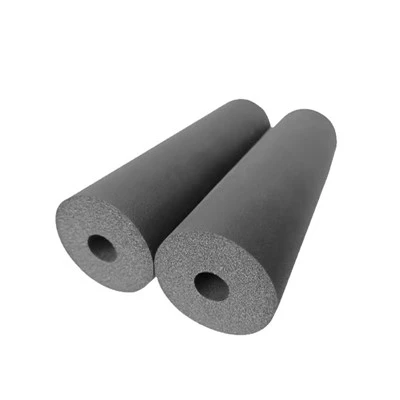
- Refrigeration ductwork and pipes: Let’s talk about the pipes that carry cold refrigerant through a building. We supply a lot of our wrapped glass wool for those lines. Unlike some foam wrap that splits at the seams after a few years, glass wool stays flexible a little (not like a rubber hose, but way more than rigid stuff) so it doesn’t crack when the pipes expand and contract with temperature changes. No cold spots, no energy waste from pipe sweating.
- Smaller commercial setups, like café display fridges: Wait, even the countertop coolers? I recently talked to a barista who fixed their display fridge’s temperature swing by adding a thin layer of our medium-density glass wool to the inner walls. They didn’t have to replace the whole fridge—just a quick retro fit, and their daily temp drops (which were spoiling some dairy) stopped. That’s the kind of real win I love hearing about.
Now, the caveats—because we don’t lie to customers here:
- Super low-temp freezers (-40°C or lower): This is where glass wool might not be your first pick. At those ultra-cold temps, the binder in standard glass wool can start to break down, and the fibers get a little brittle. We have a specialized low-temp glass wool for that, but it’s not as common as closed-cell foam for those industrial freezers. If you’re dealing with home freezers, that’s different—this is big, commercial ultra-freezers we’re talking about.
- Exposed interior surfaces: If you have a walk-in cooler where people will be banging around, or where it’s going to get wet a lot (like a meat processing plant), plain glass wool without a cover isn’t the move. It’ll get dirty, or even start to shed fibers. But cover it with a food-grade PVC jacket or foil—boom, problem solved. We sell pre-jacketed rolls exactly for that.
Real Talk From The Field (No Manufacturer Bias, Promise)
Let’s drop some actual stories, not just specs. Last year, I met a HVAC tech named Mike who does maintenance for a chain of 20 fast-food restaurants. He told me he switched from spray foam to our glass wool for all their walk-ins because “the spray foam would crack after 3 years, and by year 5, the coolers were running 24/7 just to keep temp.” He added that glass wool’s easier to patch, too—if a pipe leaks a little, you just cut out the spot, replace a section of wool, and re-seal the face. No demoing the whole wall like you do with spray foam.
Another one: a cold storage owner in upstate New York. His warehouse is 50,000 sq ft, and he was using mineral wool before. We suggested he try our high-density glass wool for the outer walls, and he saved almost $12k a year on heating and cooling (wait, cooling—because the warehouse needs to stay at 4°C for produce). He said the install time was 2 weeks faster than mineral wool, and the material was 10% cheaper per sq ft. Not bad, right?
Why A Lot Of People Still Sleep On Glass Wool For Refrigeration
I think the confusion comes from two places: old myths and bad installations. 20 years ago, the glass wool back then was less moisture-resistant, so techs wrote it off. Or people bought the cheap, un-faced stuff and wondered why it got moldy—like, duh, you didn’t put a barrier on it. Now, modern glass wool has water-repellent binders, vapor barriers, and different density grades for every temp range. We’ve even got a type that’s Class A fire-rated, which is huge for commercial kitchens where fire codes are strict. That’s a big one—closed-cell foam is often more fire-prone, but glass wool is non-combustible, so it checks all the boxes for safety.
Should You Actually Use It For Your Refrigeration System?
Let’s ask the right questions to figure that out:
- What temp are you keeping? If it’s between -10°C and 15°C (most coolers and freezers), glass wool works great. If it’s lower, ask us about our low-temp line.
- Is moisture or air a problem? If yes, get the faced or jacketed type. Don’t skip that—even the best glass wool fails if water gets in.
- Can you handle easy installs? Glass wool is way lighter than rigid foam or mineral wool, so it’s easier for 1 or 2 guys to carry and cut, no heavy equipment needed. Saves on labor costs too, which is a win for everyone.
Wrapping This Up (No, It’s Not Just For Attics)
At the end of the day, glass wool isn’t the right pick for every single refrigeration job—but it’s way more versatile than most people think. It’s cheap, easy to work with, energy-efficient, and when you install it correctly with the right barriers, it lasts as long as the refrigeration unit itself.
If you’re thinking about upgrading your walk-ins, wrapping your refrigerant pipes, or just cutting those utility bills down? Hit us up to chat through your specific setup. We don’t do one-size-fits-all here—we’ll help you figure out if glass wool’s the right fit, or if you need something else. No pressure, no sales pitch that feels pushy, just real answers for real refrigeration problems.
Glass Wool Insulation References
- ASHRAE Handbook—HVAC Systems and Equipment, Chapter 20: Insulation for Mechanical Systems, 2021
- International Energy Agency (IEA) Data Center and Cold Storage Benchmarking Report, 2022
- National Fire Protection Association (NFPA) 70: National Electrical Code, Article 300 for Insulation Application, 2023
- US Department of Energy: Thermal Insulation Characteristics for Commercial Refrigeration, 2021
Langfang Yafeng Energy-Saving Technology Co., Ltd.
As one of the most professional glass wool insulation manufacturers and suppliers in China, we’re featured by quality products and good price. Please rest assured to buy bulk premium glass wool insulation for sale here from our factory. Welcome to view our website for more information.
Address: Langfang Xinyafeng, Liugezhuang Town, Dacheng County, Langfang City, Hebei Province
E-mail: yafengbaowen@gmail.com
WebSite: https://www.xyfinsulation.com/
