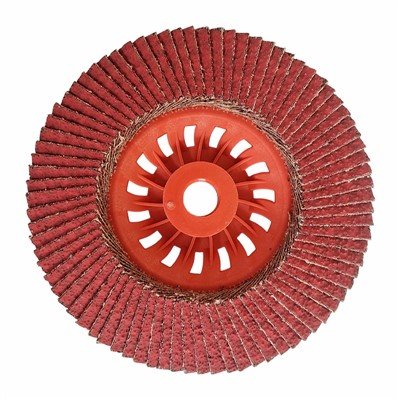
Non-woven wheels are a staple in various industries, from metal finishing to woodworking, due to their versatility and efficiency. As a supplier of non-woven wheels, I often get asked whether these products require special maintenance. In this blog, I’ll delve into the characteristics of non-woven wheels, discuss maintenance requirements, and share some practical tips for extending their lifespan. Non-Woven Wheel
Understanding Non-Woven Wheels
Before addressing the maintenance aspect, it’s crucial to understand what non-woven wheels are and how they work. Non-woven wheels are made from synthetic fibers bonded together by a resin or other binders. These fibers are arranged in a random pattern, creating a porous and flexible structure. The abrasives are embedded within the fibers, which allows the wheel to maintain its cutting ability even as the surface wears down.
Non-woven wheels come in different types, including nylon, polyester, and other synthetic materials, each with its own set of properties. They are available in various shapes, sizes, and grits, making them suitable for a wide range of applications, such as deburring, polishing, blending, and surface finishing.
Do Non-Woven Wheels Require Special Maintenance?
The short answer is that non-woven wheels generally do not require special maintenance compared to some other abrasive tools. However, proper care and handling can significantly extend their lifespan and ensure consistent performance. Here are some factors to consider:
1. Storage
Proper storage is the first step in maintaining non-woven wheels. These wheels should be stored in a clean, dry place away from direct sunlight, moisture, and extreme temperatures. Exposure to high humidity can cause the resin binder to break down, weakening the structure of the wheel and reducing its effectiveness. Similarly, extreme heat can cause the fibers to warp or the abrasives to lose their cutting edge.
It’s also important to store non-woven wheels in an upright position to prevent them from deforming. If stacked, make sure not to place heavy objects on top of them, as this can compress the fibers and affect the wheel’s shape and performance.
2. Cleaning
While non-woven wheels do not need frequent cleaning, it’s a good idea to remove any debris or contaminants that may accumulate on the surface during use. This can be done using compressed air or a soft brush. Avoid using harsh chemicals or solvents, as they can damage the resin binder and the fibers.
If the wheel becomes clogged with stubborn debris, you can soak it in a mild detergent solution for a short period. Gently agitate the wheel to loosen the debris, then rinse it thoroughly with clean water and let it dry completely before using it again.
3. Inspection
Regular inspection of non-woven wheels is essential to ensure their safety and performance. Before each use, check the wheel for any signs of damage, such as cracks, breaks, or excessive wear. If you notice any defects, do not use the wheel, as it may pose a safety hazard and produce inconsistent results.
Inspect the mounting hole and the arbor for proper fit. A loose or misaligned wheel can cause vibrations, which can not only affect the quality of the finish but also damage the tool and the workpiece.
4. Usage
Proper usage of non-woven wheels can also contribute to their longevity. Use the appropriate wheel for the specific application and follow the manufacturer’s recommendations regarding speed, pressure, and feed rate. Applying too much pressure or using the wheel at an incorrect speed can cause premature wear and reduce its effectiveness.
Avoid using non-woven wheels on materials that are too hard or abrasive for their intended use. This can cause excessive wear on the wheel and may even damage the workpiece.
Tips for Extending the Lifespan of Non-Woven Wheels
In addition to the basic maintenance steps mentioned above, here are some additional tips for getting the most out of your non-woven wheels:
1. Use the Right Grit
Selecting the correct grit size is crucial for achieving the desired finish and extending the life of the wheel. A coarse grit is suitable for heavy material removal, while a fine grit is ideal for final polishing. Using the wrong grit can result in poor performance and faster wear of the wheel.
2. Rotate the Wheel
If possible, rotate the non-woven wheel periodically during use. This helps distribute the wear evenly across the surface of the wheel, preventing uneven wear and extending its lifespan.
3. Sharpen the Wheel
Some non-woven wheels can be sharpened to restore their cutting ability. This can be done using a dressing stone or a similar tool. Follow the manufacturer’s instructions for sharpening the wheel to ensure safe and effective results.
Conclusion
In summary, non-woven wheels do not require special maintenance compared to some other abrasive tools. However, proper storage, cleaning, inspection, and usage are essential for ensuring their longevity and consistent performance. By following the tips and guidelines outlined in this blog, you can get the most out of your non-woven wheels and achieve high-quality finishes in your applications.
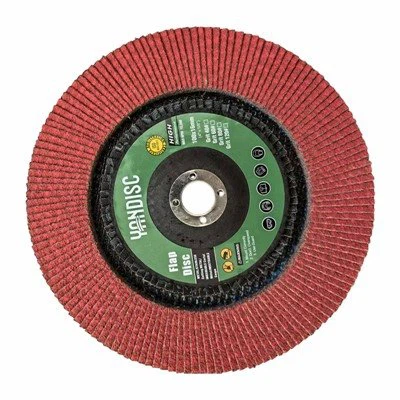
Flap Disc If you’re in the market for non-woven wheels or have any questions about their maintenance and usage, I’d be happy to assist you. As a trusted supplier of non-woven wheels, we offer a wide range of products to meet your specific needs. Contact us today to discuss your requirements and start a partnership that will take your finishing operations to the next level.
References
- "Abrasive Technology Handbook" by the Society of Manufacturing Engineers
- Manufacturer’s product manuals and technical data sheets for non-woven wheels
Henan Yandisc Hardware Tools Co., Ltd.
As one of the most professional non-woven wheel manufacturers and suppliers in China, our products have good reputation in the market. Please feel free to wholesale high quality non-woven wheel made in China here from our factory. Customized orders are welcome.
Address: Zinan Road, High-tech Industrial Development Zone, Zhengzhou, Henan, China
E-mail: info@yandisc.com
WebSite: https://www.yandisc.com/
