Hey there! I’m a guy deeply involved in the automotive wire harness game. I run a shop that supplies these crucial components, and let me tell you, it’s been one wild ride seeing how things have changed over the years. One of the biggest and most exciting trends I’ve noticed lately is the miniaturization of automotive wire harnesses. So, let’s dig into what’s going on in this field. Automotive Wire Harness
First off, why all the hype about miniaturization? Well, there are a bunch of reasons. For starters, today’s cars are packed with all sorts of high – tech gadgets. We’re talking about advanced driver – assistance systems (ADAS), in – car entertainment, and sophisticated climate control systems, just to name a few. All these electronics need to be connected, and the traditional big, bulky wire harnesses just won’t cut it anymore. Miniaturization allows us to fit these connections into smaller spaces, making the overall design of the car more efficient.
Another key reason is the push for fuel efficiency. Every extra pound in a car reduces its fuel economy. Those big wire harnesses add a fair amount of weight, so by miniaturizing them, we can shave off some of that excess. This not only helps the environment by reducing emissions but also saves the driver some money at the pump.
Now, let’s talk about some of the specific trends driving this miniaturization.
1. High – Density Connectors
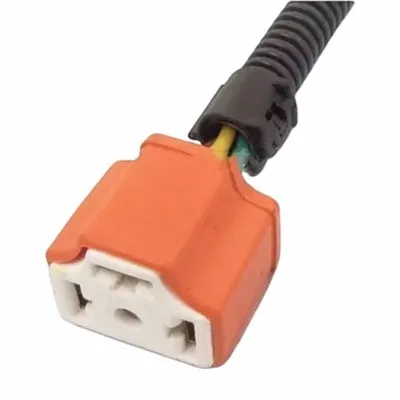
One of the most significant trends is the use of high – density connectors. These connectors have a much smaller footprint compared to the old – school ones. They can fit a large number of terminals in a very tight space, which is essential when you’re trying to fit a wire harness into a small area under the dashboard or in the engine compartment.
I remember when we first started using high – density connectors. It was a bit of a learning curve. The terminals are so closely packed that precision is crucial during the assembly process. But once we got the hang of it, the benefits were clear. We could now design wire harnesses that were much more compact, allowing our customers to have more flexibility in their car designs.
2. Ultrathin Wires
Another big trend is the use of ultrathin wires. These wires are made with very fine conductors, which not only reduces the overall size of the wire harness but also decreases its weight. The challenge with ultrathin wires, though, is ensuring they can still handle the electrical load. We’ve had to work closely with our wire suppliers to develop new materials and insulation technologies that can withstand the rigors of the automotive environment.
For example, we’ve been experimenting with some new types of polymers for insulation. These polymers are not only thinner but also more resistant to heat and abrasion. This means the ultrathin wires can last just as long as the thicker ones, even in tough conditions.
3. Integrated Circuits in Wire Harnesses
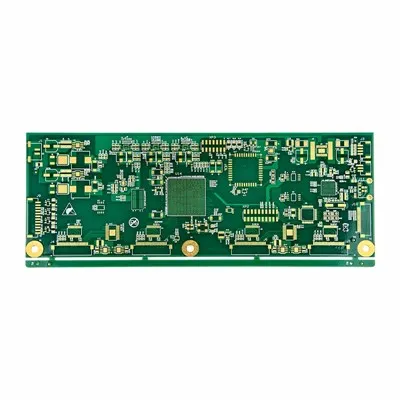
We’re also seeing more and more integrated circuits (ICs) being incorporated into wire harnesses. ICs can perform a variety of functions, such as signal processing, power management, and even diagnostic tasks. By integrating these circuits directly into the wire harness, we can reduce the need for separate control units, which in turn saves space.
This trend is really exciting because it’s like turning the wire harness into a smart part of the car. For instance, an IC in the wire harness can detect if there’s a fault in a particular circuit and send a signal to the car’s main computer. This helps with quick and easy troubleshooting, which is a big plus for both car manufacturers and mechanics.
4. 3D Printing for Customization
3D printing has also made its way into the automotive wire harness industry. With 3D printing, we can create custom – shaped wire harness components. This is particularly useful for cars with unique designs or for aftermarket modifications.
We’ve started using 3D printers to make small, complex parts that would be difficult or expensive to produce using traditional manufacturing methods. It’s a bit of a new frontier, but the potential is huge. We can quickly prototype new designs and make changes on the fly, which speeds up the development process.
Challenges in Miniaturization
But it’s not all sunshine and rainbows. There are definitely some challenges that come with miniaturizing automotive wire harnesses.
One of the biggest challenges is heat dissipation. As we pack more and more components into a smaller space, the heat generated by the electrical currents can become a problem. Overheating can damage the wires and components, leading to system failures. To combat this, we’re constantly looking for new ways to improve heat management, such as using heat – conductive materials and designing better ventilation systems in the wire harness.
Another challenge is reliability. With smaller components and more complex designs, there’s a higher risk of something going wrong. We need to ensure that our miniaturized wire harnesses are just as reliable as the larger ones. This means rigorous testing at every stage of the production process, from the design phase to the final assembly.
Our Role as a Supplier
As a wire harness supplier, we’ve had to adapt to these trends quickly. We’ve invested in new equipment and technologies to be able to produce these miniaturized wire harnesses. We’ve also hired more engineers with expertise in electronics and miniaturization to help us with the design and development process.
We work closely with our customers, which are mainly car manufacturers, to understand their specific needs. We know that every car model is different, and a one – size – fits – all approach just won’t work. So, we customize our wire harnesses to meet the exact requirements of each project.
We also provide technical support to our customers. If they have any questions about the installation, maintenance, or performance of our wire harnesses, we’re there to help. We believe that building strong relationships with our customers is key to our success in this ever – changing industry.
Looking to the Future
The future of miniaturization in automotive wire harnesses looks really bright. As cars continue to get more advanced, the demand for smaller, lighter, and smarter wire harnesses will only increase.
We’re already looking at some potential future trends. For example, the use of nanomaterials in wire production could lead to even thinner and more conductive wires. And with the rise of electric vehicles, there will be a whole new set of requirements for wire harnesses, such as handling high – voltage currents.
Automotive Wire Harness In conclusion, if you’re in the automotive industry and looking for a reliable wire harness supplier that can keep up with the latest trends in miniaturization, look no further. We’ve got the experience, the technology, and the commitment to quality to meet your needs. Whether you’re working on a cutting – edge electric car or a traditional gasoline – powered vehicle, we can provide you with the perfect wire harness solution. Reach out to us for a quote and let’s start a conversation about how we can work together to take your automotive project to the next level.
References
- Automotive Wiring Systems Magazine – Various articles on wire harness miniaturization trends.
- Proceedings of the Society of Automotive Engineers (SAE) – Research papers on high – density connectors and ultrathin wires.
- Industry reports from leading automotive research firms on the future of automotive electronics and wire harnesses.
Huaswin Electronics Technology Co., Ltd.
With abundant experience, we are one of the most professional automotive wire harness manufacturers and suppliers in China. Welcome to wholesale customized automotive wire harness at competitive price from our factory. If you have any enquiry about pricelist, please feel free to email us.
Address: Building A2, Hao Hai Hong Industrial Park, No.3 Yu He Road, Gong He, Sha Jing, Bao An, Shenzhen
E-mail: sales@huaswin.com
WebSite: https://www.huaswin-pcba.com/
