Hey there, folks! I’m in the frying pan business, and let me tell you, the world of frying pans has changed a whole lot over the years. I often get asked about the differences between traditional and modern frying pans, so I thought I’d break it down for you. Frying Pan
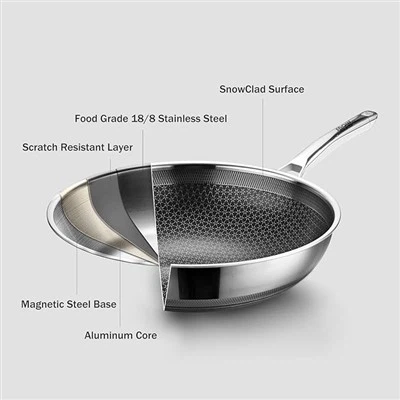
Material Matters
First off, let’s talk about the materials. Traditional frying pans are usually made of cast iron or stainless steel. Cast iron pans have been around forever. They’re super heavy-duty and can last for generations if you take care of them. I remember my grandma using this old cast iron pan to make the best cornbread. It was like a piece of family history.
The thing with cast iron is that it heats up evenly. Once it gets hot, it holds that heat really well. But you gotta season it regularly. That means rubbing oil on it and heating it up to create a non – stick surface. If you don’t, it can rust like crazy. And cleaning a cast iron pan is a bit of a hassle. You can’t just throw it in the dishwasher. You gotta wash it by hand, and it’s heavy as hell to carry around.
Stainless steel traditional pans are also pretty popular. They’re durable, resistant to scratches, and they look sleek. But they don’t have the best non – stick properties. When you’re frying an egg, for example, you might have to use a lot of oil to prevent it from sticking. And stainless steel doesn’t conduct heat as evenly as some other materials. You might end up with parts of your food being overcooked while other parts are still raw.
Now, modern frying pans come in all sorts of high – tech materials. One of the most common is aluminum. Aluminum pans heat up really quickly. You turn on the stove, and within a couple of minutes, the pan is ready to go. They’re also lightweight, which is great for people who don’t have a lot of upper body strength or who are just looking for an easy – to – handle pan.
Another popular option in modern frying pans is ceramic – coated pans. These pans are known for their excellent non – stick properties. You can cook an egg with just a tiny amount of oil or even no oil at all. And they’re easy to clean. You just wipe them down with a sponge, and most of the food residue comes right off. But the ceramic coating can wear off over time, especially if you use metal utensils on them.
Design Features
The design of traditional and modern frying pans is also quite different. Traditional pans usually have a simple design. They have a flat bottom and straight sides. The handles are often made of wood or metal and are attached in a straightforward way.
The straight sides of traditional pans are great for things like stir – frying. You can move the food around easily without it falling out. But when it comes to flipping food, like pancakes or omelets, it can be a bit tricky. The straight sides don’t give you a lot of room for maneuvering.
Modern frying pans, on the other hand, often have a curved design. The curved sides make it easier to flip food. You can just give the pan a little shake, and the food flips over. Some modern pans also come with ergonomic handles. These handles are designed to fit comfortably in your hand, reducing fatigue when you’re cooking for a long time.
Another design feature you’ll find in modern frying pans is a heat – resistant coating on the handle. This means you can touch the handle even when the pan is on the stove, which is a huge plus. You don’t have to worry about burning your hand when you’re trying to move the pan around.
Performance and Cooking Experience
In terms of performance, traditional and modern frying pans have their own pros and cons. As I mentioned earlier, traditional cast iron pans are great for searing meat. The even heat distribution ensures that the meat gets cooked evenly on all sides, creating a nice, crispy crust on the outside and a juicy center.
But when it comes to cooking delicate foods like fish or vegetables, traditional pans can be a bit of a challenge. The high heat retention of cast iron can sometimes lead to overcooking, especially if you’re not careful.
Modern frying pans, with their quick – heating properties, are great for cooking small, fast – cooking foods. You can whip up a batch of scrambled eggs in no time. And the non – stick surface of modern pans means that you can cook with less oil, which is better for your health.
The cooking experience is also different. Using a traditional pan feels a bit more rustic and old – school. You have to be more in tune with the heat and the cooking process. It’s like a bit of a dance between you and the pan.
Modern pans, on the other hand, are more user – friendly. They take a lot of the guesswork out of cooking. You can focus more on the creativity of cooking and less on worrying about food sticking or burning.
Cost Considerations
Cost is always a factor when you’re buying a frying pan. Traditional cast iron pans are usually pretty affordable. You can get a decent cast iron pan for a relatively low price. And since they last a long time, it’s a good investment.
Stainless steel traditional pans can vary in price. High – quality stainless steel pans with good heat – conducting properties can be quite expensive. But you’re paying for the durability and the long – term use.
Modern frying pans can also vary in price. Aluminum pans are generally on the cheaper side, especially if you’re looking for a basic model. Ceramic – coated pans can be a bit more expensive, especially if they’re from a well – known brand. But the non – stick properties and the ease of cleaning can make them worth the extra cost.
Which One Should You Choose?
So, which type of frying pan is right for you? Well, it depends on your cooking style and your personal preferences. If you’re a fan of traditional, old – fashioned cooking and you don’t mind putting in a bit of extra effort to maintain your pan, a traditional cast iron or stainless steel pan might be the way to go.
But if you’re looking for a quick – and – easy cooking solution, and you want to cook with less oil and have an easier time cleaning up, a modern aluminum or ceramic – coated pan could be a better fit.
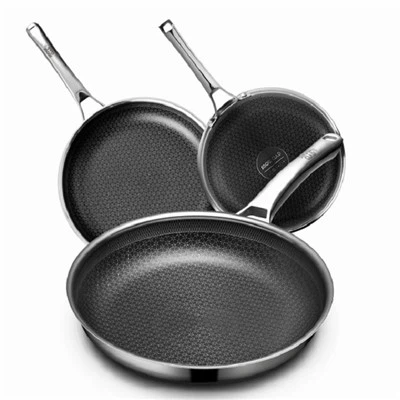
As a frying pan supplier, I’ve seen customers go both ways. Some people swear by their old – school cast iron pans, while others love the convenience of modern non – stick pans.
Baking Pan If you’re interested in learning more about our range of frying pans, or if you’re thinking about making a purchase, don’t hesitate to reach out. We’ve got a wide selection of both traditional and modern frying pans to suit every need and budget. Whether you’re a professional chef or just someone who likes to cook at home, we’ve got something for you. Let’s have a chat and find the perfect frying pan for your kitchen!
References
- "The Science of Cooking: Understanding the Fundamentals" by Harold McGee
- "Cookware Buying Guide" by Consumer Reports
- "The Cooking Lab: Recipes and Techniques from America’s Test Kitchen"
Zhejiang Nanyue Kitchenware Co., Ltd.
We’re well-known as one of the leading frying pan manufacturers and suppliers in China, also support customized service. Please feel free to buy high quality frying pan made in China here and get pricelist from our factory. For price consultation, contact us.
Address: Located inside Zhejiang Jialiyuan Industry and Trade Co., Ltd. (Nanyue Kitchenware) in Jiangbin Industrial Zone, Tongqin Town, Wuyi County, Zhejiang Province.
E-mail: nanyuekitchenware@zj-jlypans.com
WebSite: https://www.nanyuecook.com/
