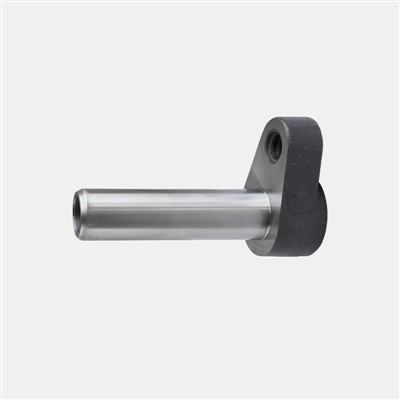
As a seasoned supplier of valve components, I’ve witnessed firsthand the critical role these components play in preventing leakage across various industries. Leakage in valve systems can lead to significant issues, including environmental hazards, safety risks, and financial losses. In this blog, I’ll delve into the science and engineering behind how valve components prevent leakage, sharing insights from my years of experience in the industry. Valve Components
Understanding the Basics of Valve Leakage
Before we explore how valve components prevent leakage, it’s essential to understand what causes it. Valve leakage can occur due to several factors, including improper installation, wear and tear, corrosion, and high – pressure differentials. When a valve fails to seal properly, fluids or gases can escape from the system, leading to inefficiencies and potential hazards.
There are two main types of valve leakage: internal and external. Internal leakage, also known as seat leakage, happens when the valve fails to close completely, allowing fluid or gas to flow through the valve even when it’s supposed to be shut off. External leakage occurs when fluid or gas escapes from the valve body, usually through the stem packing or flange connections.
Key Valve Components and Their Role in Leakage Prevention
Valve Seats
Valve seats are one of the most critical components in preventing internal leakage. They provide a sealing surface for the valve disc or plug when the valve is closed. The design and material of the valve seat are crucial factors in ensuring a tight seal.
- Design: The shape of the valve seat can vary depending on the type of valve. For example, globe valves typically have a flat or conical seat, while ball valves have a spherical seat. The design is optimized to provide maximum contact area between the seat and the disc or plug, minimizing the chances of fluid or gas passing through.
- Material: Valve seats are made from a variety of materials, including metals, plastics, and elastomers. The choice of material depends on the application, such as the type of fluid or gas being handled, the operating temperature, and the pressure. For example, metal seats are often used in high – pressure and high – temperature applications, while elastomer seats are suitable for applications where a tight seal is required at lower pressures and temperatures.
Valve Discs and Plugs
Valve discs and plugs are the components that move to open and close the valve. They work in conjunction with the valve seat to prevent internal leakage.
- Precision Machining: Valve discs and plugs are precision – machined to fit the valve seat accurately. Any deviation in the dimensions can lead to a poor seal and leakage. Advanced manufacturing techniques, such as CNC machining, ensure that the components are produced to the highest standards of accuracy.
- Surface Finish: The surface finish of the valve disc and plug is also crucial. A smooth surface reduces friction and wear, and helps to maintain a tight seal with the valve seat. Specialized coating processes can be applied to the surface to enhance its hardness, corrosion resistance, and sealing properties.
Stem Packing
Stem packing is used to prevent external leakage around the valve stem. It consists of a series of packing rings that are compressed around the stem to create a seal.
- Material Selection: The material of the stem packing is chosen based on the application requirements. Common materials include graphite, PTFE (polytetrafluoroethylene), and asbestos – free fibers. Graphite packing is known for its high – temperature resistance and self – lubricating properties, while PTFE packing offers excellent chemical resistance.
- Proper Installation: Correct installation of the stem packing is essential for effective leakage prevention. The packing rings must be installed in the correct order and compressed to the appropriate level. Over – compression can cause excessive friction and premature wear of the stem, while under – compression can result in leakage.
Gaskets and Flange Seals
Gaskets and flange seals are used to prevent external leakage at the connections between the valve and the pipeline.
- Gasket Types: There are different types of gaskets available, such as spiral – wound gaskets, flat gaskets, and ring – type joint gaskets. Each type has its own advantages and is suitable for different applications. Spiral – wound gaskets, for example, are commonly used in high – pressure and high – temperature applications due to their excellent sealing performance.
- Flange Design: The design of the flanges also plays a role in preventing leakage. Proper flange alignment and bolt tightening are necessary to ensure that the gasket is compressed evenly, creating a tight seal.
Advanced Technologies in Leakage Prevention
In addition to traditional valve components, several advanced technologies have been developed to enhance leakage prevention.
Seal Monitoring Systems
Seal monitoring systems use sensors to detect and monitor the integrity of the valve seals. These sensors can detect changes in pressure, temperature, or vibration, which may indicate a potential leak. By providing real – time data, these systems allow for early detection and preventive maintenance, reducing the risk of leakage and downtime.
Self – Adjusting Seals
Self – adjusting seals are designed to compensate for wear and changes in operating conditions automatically. These seals use innovative materials and mechanisms to maintain a tight seal over time, even as the valve components experience normal wear and tear.
Quality Control and Testing
As a valve components supplier, quality control and testing are integral parts of our manufacturing process to ensure that our components effectively prevent leakage.
- Non – Destructive Testing: We use non – destructive testing methods, such as ultrasonic testing, magnetic particle testing, and dye penetrant testing, to detect any internal flaws or defects in the valve components. These tests help to identify potential issues before the components are assembled into a valve.
- Pressure Testing: All our valve components undergo rigorous pressure testing to ensure their sealing performance. We test the components at different pressure levels and for different durations to simulate real – world operating conditions. Only components that pass these tests are approved for sale.
Conclusion
Preventing leakage in valve systems is a complex but crucial task. Valve components, including seats, discs, stem packing, gaskets, and flange seals, work together to provide a reliable seal. Advanced technologies, such as seal monitoring systems and self – adjusting seals, further enhance the leakage – prevention capabilities of these components.
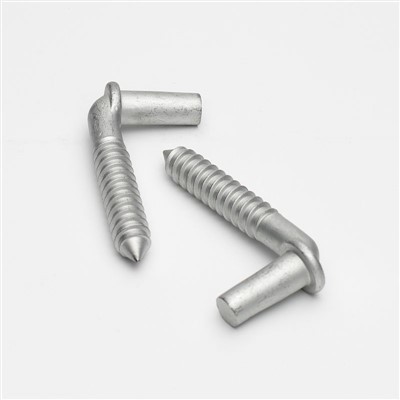
At our company, we are committed to providing high – quality valve components that meet the strictest standards of leakage prevention. Our components are designed and manufactured using the latest technologies and undergo rigorous quality control and testing procedures.
Shaft Parts If you’re in the market for reliable valve components to prevent leakage in your systems, we’d love to have a conversation with you. Whether you’re working on a small – scale project or a large – industrial application, our team of experts can help you find the right components for your needs. Reach out to us for a consultation and start exploring how our valve components can benefit your operations.
References
- "Valve Handbook" by John S. Turner
- "Control Valve Engineering" by Norman M. Wood
- Relevant industry standards and guidelines from organizations such as the American Petroleum Institute (API) and the American Society of Mechanical Engineers (ASME)
Taizhou Liuhuan Machinery Co., Ltd.
As one of the most professional valve components manufacturers and suppliers in China, we’re featured by quality products and good service. Please rest assured to buy customized valve components made in China here from our factory. For quotation, contact us now.
Address: Xinyuan Industrial Zone, Damaiyu Street, Yuhuan City, Zhejiang Province,China
E-mail: tzlhmachining@gmail.com
WebSite: https://www.tzlhmachining.com/
