Hey there! If you’re here, chances are you’re facing some issues with an Oil Sampling Shut – off Valve. Well, you’ve come to the right place. I’m from a company that supplies these valves, and I’ve seen my fair share of valve problems and fixes. So, let’s dive into how to troubleshoot an Oil Sampling Shut – off Valve. Oil Sampling Shut-off Valve
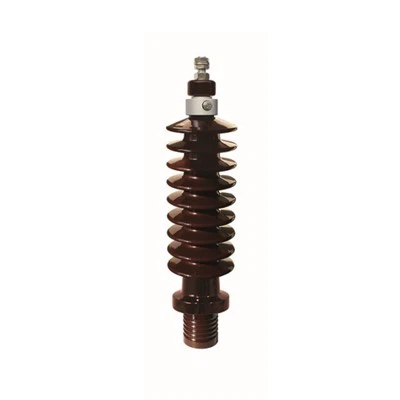
1. Check for Basic Issues
First things first, it’s always a good idea to start with the simple stuff. You gotta visually inspect the valve. Look for any obvious signs of damage like cracks, dents, or leaks. Sometimes, a small hairline crack can cause big problems. If you spot any damage, well, that’s likely your culprit. You might need to replace the valve if the damage is severe.
Also, check the connections. Make sure all the pipes and fittings are properly attached to the valve. Loose connections can lead to leaks and improper valve operation. Tighten any loose nuts or bolts, but be careful not to over – tighten as that can cause damage too.
2. Verify the Operating Pressure
The operating pressure is crucial for the proper functioning of an Oil Sampling Shut – off Valve. You need to know the recommended pressure range for your specific valve. Use a pressure gauge to check the actual pressure in the system where the valve is installed.
If the pressure is too high, it can cause the valve to malfunction or even damage it over time. On the other hand, if the pressure is too low, the valve might not close or open properly. If the pressure is off, you’ll need to adjust the pressure in the system. This might involve adjusting the pump speed or using a pressure – regulating device.
3. Check the Valve Actuation
Most Oil Sampling Shut – off Valves are either manually or automatically actuated. If it’s a manual valve, make sure the handle is in the correct position. Sometimes, the handle can get accidentally moved, which can lead to the valve being in an improper state.
For automatic valves, check the control system. Look at the electrical connections if it’s an electrically – actuated valve. Make sure there’s power going to the valve and that the control signals are working properly. If it’s a pneumatic valve, check the air supply and the pneumatic lines for any leaks or blockages.
4. Inspect the Sealing Mechanism
The sealing mechanism is what keeps the oil from leaking when the valve is closed. Over time, the seals can wear out, get damaged, or become clogged with debris. To check the seals, you’ll probably need to disassemble the valve (make sure to follow the proper safety procedures and manufacturer’s instructions when doing this).
Look at the condition of the seals. If they’re cracked, worn, or swollen, they’ll need to be replaced. Sometimes, you can clean the seals to remove any debris that might be affecting their performance. Use a suitable cleaning agent and make sure to dry the seals thoroughly before reassembling the valve.
5. Look for Debris and Contamination
Debris and contamination can really mess up an Oil Sampling Shut – off Valve. Oil can carry all sorts of particles like dirt, rust, and metal shavings. These particles can get stuck in the valve, preventing it from opening or closing properly.
To check for debris, you can use a filter or a strainer if one is installed in the system. If not, you might need to disassemble the valve and look inside. You can use compressed air or a cleaning solution to remove any debris. Make sure to clean all the internal components of the valve, including the valve seat and the valve disc.
6. Check the Valve Timing (if applicable)
Some Oil Sampling Shut – off Valves are designed to operate at specific times or intervals. If your valve is one of these, you need to check the timing. Make sure the timing settings on the control system are correct. If the valve is supposed to open and close at certain times during the oil – sampling process, and it’s not doing so, you’ll need to adjust the timing.
7. Test the Valve
After you’ve done all the checks and repairs, it’s time to test the valve. Reassemble the valve if you had to disassemble it, and make sure all the connections are secure. Then, slowly open and close the valve a few times to see if it’s operating smoothly.
Check for any leaks around the valve. You can use a leak – detection spray or simply visually inspect for any signs of oil leakage. If the valve opens and closes properly and there are no leaks, then you’ve successfully troubleshot the valve.
8. Consult the Manufacturer’s Manual
If you’re still having trouble troubleshooting the valve, don’t hesitate to consult the manufacturer’s manual. The manual will have detailed information about the valve’s operation, maintenance, and troubleshooting. It might also have specific solutions to common problems.
If you don’t have the manual, you can usually find it online on the manufacturer’s website. You can also contact the manufacturer’s customer support for further assistance.
9. Keep Records
It’s a good idea to keep records of all the troubleshooting steps you’ve taken, including what problems you found, what repairs you made, and when you did them. This will help you track the performance of the valve over time and can be useful if you encounter similar problems in the future.
Let’s Get in Touch
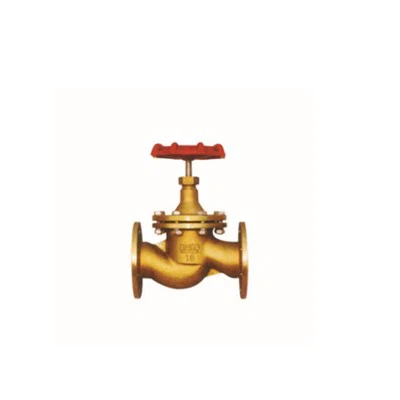
If you’re struggling with an Oil Sampling Shut – off Valve and need more help, or if you’re thinking about purchasing a new valve, we’re here for you. We’ve got a wide range of high – quality Oil Sampling Shut – off Valves that can meet your needs. Whether you’re in the oil and gas industry, a chemical plant, or any other industry that uses oil sampling systems, we’ve got the right valve for you.
Porcelain Bushing Don’t hesitate to reach out to us for a consultation. We can help you choose the best valve for your application and provide you with all the support you need. Let’s work together to keep your oil – sampling systems running smoothly.
References
- "Valve Handbook" – A comprehensive guide on valve operation and maintenance.
- Manufacturer’s documentation for Oil Sampling Shut – off Valves.
Hebei Anmei Electrical Equipment Co., Ltd.
Hebei Anmei Electrical Equipment Co., Ltd. is one of the most professional oil sampling shut-off valve manufacturers and suppliers in China, specialized in providing high quality products and service. Please feel free to buy customized oil sampling shut-off valve made in China here from our factory. Contact us for quotation.
Address: Hejian Yingzhou Economic Development Zone, Cangzhou City, Hebei Province
E-mail: sales@anmeielec.com
WebSite: https://www.anmeibushing.com/
