Hey there! I’m a supplier of corrugated box making machines, and today I wanna chat about the quality of the glued joints in the boxes produced by these machines. Corrugated Box Making Machine
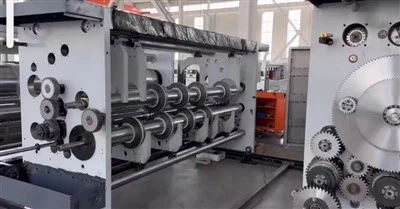
First off, let’s understand why the quality of glued joints matters. Corrugated boxes are used for all sorts of stuff – shipping products, storing items, you name it. The glued joints are what hold the box together. If they’re not up to par, the box might fall apart during transit or storage, which can lead to damaged goods and unhappy customers.
So, what affects the quality of these glued joints? There are a few key factors.
1. Glue Quality
The type and quality of the glue used are super important. There are different kinds of glues for corrugated boxes, like starch – based glues and synthetic glues. Starch – based glues are eco – friendly and cost – effective. They’re made from natural starches and water, and they work well for most regular corrugated box applications. But they might not be as strong in high – humidity environments.
On the other hand, synthetic glues are more durable. They can withstand different temperatures and humidity levels better. They’re often used for boxes that need to hold heavier items or are going to be stored in harsh conditions. As a machine supplier, I always recommend choosing a high – quality glue that suits the specific needs of the boxes you’re making.
2. Machine Settings
The settings on the corrugated box making machine play a huge role in the quality of the glued joints. The amount of glue applied is crucial. If too little glue is applied, the joint won’t be strong enough. The box might start to come apart easily. But if too much glue is used, it can create a mess. It might seep out of the joints, making the box look unprofessional and potentially causing issues with stacking or labeling.
The pressure applied during the gluing process is also important. The machine needs to press the glued parts together with the right amount of force. If the pressure is too low, the glue won’t bond properly. If it’s too high, it might damage the corrugated material.
3. Corrugated Material
The type of corrugated material used affects the glued joints as well. Different grades of corrugated board have different surface characteristics. Some boards have a smoother surface, which can make it easier for the glue to spread evenly. Others might be more porous, and the glue might soak into the material a bit more.
Also, the moisture content of the corrugated material matters. If the material is too dry, the glue might not adhere well. If it’s too wet, it can affect the curing process of the glue. As a supplier, I always tell my customers to store their corrugated material in a controlled environment to maintain the right moisture level.
4. Operator Skill
Let’s not forget about the operator. A skilled operator can make a big difference in the quality of the glued joints. They need to know how to adjust the machine settings properly. They should be able to spot any issues with the glue application or the joint formation early on and make the necessary adjustments.
Training is key here. We provide training for our customers’ operators so that they can get the most out of our machines and produce high – quality boxes with strong glued joints.
Testing the Quality of Glued Joints
There are a few ways to test the quality of the glued joints. One simple way is the peel test. You can try to peel the glued parts of the box apart. If the joint holds up well and the corrugated material tears rather than the glue coming off, it’s a good sign that the joint is strong.
Another test is the drop test. You can fill the box with a certain amount of weight and drop it from a specific height. If the box stays intact and the glued joints don’t fail, it shows that the joints can withstand the stresses of shipping and handling.
Maintaining the Quality of Glued Joints
To keep the quality of the glued joints consistent, regular maintenance of the corrugated box making machine is essential. The glue applicators need to be cleaned regularly to prevent clogging. The rollers and other moving parts that come in contact with the glue should be inspected and lubricated as needed.
Also, keeping an eye on the glue inventory is important. Make sure you’re using fresh glue and that it’s stored properly.
As a corrugated box making machine supplier, I’m always looking out for my customers. I want them to be able to produce boxes with top – notch glued joints. If you’re in the business of making corrugated boxes and you’re having issues with the quality of your glued joints or you’re looking to upgrade your machine, we can help.

Our machines are designed to be user – friendly and reliable. They can be adjusted to meet different production needs. We offer support and training to ensure that you get the best results from our machines.
Corrugated Box Machinery If you’re interested in learning more about our corrugated box making machines or want to discuss how we can improve the quality of the glued joints in your boxes, don’t hesitate to reach out. We’re here to have a chat and see how we can work together.
References
- Packaging Machinery Manufacturers Institute (PMMI). "Best Practices for Corrugated Box Production".
- American Forest & Paper Association. "Corrugated Packaging Basics".
- Technical Association of the Pulp and Paper Industry (TAPPI). "Testing Methods for Corrugated Box Glued Joints".
Guangzhou HS Machinery Co., Ltd.
We’re well-known as one of the leading corrugated box making machine manufacturers and suppliers in China. Please feel free to buy cheap corrugated box making machine for sale here from our factory. Quality products and low price are available.
Address: Xiaowu 1st Industrial Area, Xiaowu Village, Dongchong Town, Nansha, Guangzhou, China
E-mail: vipmachinery@126.com
WebSite: https://www.cartonboxsolutions.com/
