As a supplier of conventional power transformers, I often encounter inquiries about the various components that ensure the safe and efficient operation of these vital pieces of equipment. One such critical component is the gas – operated protection device known as the Buchholz relay. In this blog, I will delve into the workings of the Buchholz relay and explain its significance in power transformers. Conventional Power Transformer
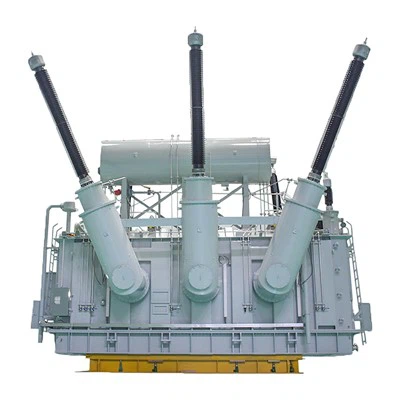
The Role of a Power Transformer
Before we discuss the Buchholz relay, it’s essential to understand the basic function of a conventional power transformer. Power transformers are used to transfer electrical energy between circuits through electromagnetic induction. They step up or step down the voltage levels, enabling efficient transmission and distribution of electricity over long distances. However, transformers are complex devices that can experience various internal faults, such as short – circuits, overheating, and insulation breakdown. These faults can lead to the generation of gases and other by – products within the transformer, which, if not detected and addressed promptly, can cause serious damage and even pose a safety risk.
Introduction to the Buchholz Relay
The Buchholz relay is a specialized protective device installed in oil – immersed power transformers. It was invented by Max Buchholz in 1921 and has since become a standard component in power transformers worldwide. The relay is connected to the oil – filled tank of the transformer and the conservator, which is a reservoir that compensates for the expansion and contraction of the oil due to temperature changes.
How the Buchholz Relay Works
The Buchholz relay operates based on two main principles: gas accumulation and oil flow.
Gas Accumulation
When an incipient (slow – developing) fault occurs inside the transformer, such as a minor insulation breakdown or overheating, the electrical arc or excessive heat causes the decomposition of the transformer oil. This decomposition produces gases, mainly hydrogen, methane, ethane, ethylene, and acetylene. These gases are lighter than the oil and rise to the top of the transformer tank. As the gases accumulate, they displace the oil in the Buchholz relay chamber.
The Buchholz relay has two float switches. The upper float switch is designed to detect the accumulation of gas. When a certain volume of gas has collected in the relay chamber, the upper float rises. This upward movement of the float closes a contact, which sends a signal to the control panel. This signal is typically an alarm, indicating that there is an incipient fault inside the transformer. The alarm allows the operators to take preventive measures, such as inspecting the transformer, analyzing the gas samples, and planning for maintenance.
Oil Flow
In the case of a more severe fault, such as a short – circuit, a large amount of energy is released suddenly. This causes a rapid increase in pressure inside the transformer tank, which in turn results in a high – velocity flow of oil towards the conservator. The Buchholz relay has a lower float or a baffle plate that is sensitive to this oil flow.
When the oil flow rate exceeds a pre – set threshold, the lower float or baffle plate is displaced. This movement closes another contact in the relay, which sends a trip signal to the circuit breaker. The circuit breaker then isolates the transformer from the power system, preventing further damage to the transformer and other connected equipment.
Importance of the Buchholz Relay
The Buchholz relay plays a crucial role in the protection of power transformers. Here are some of its key benefits:
- Early Fault Detection: By detecting the accumulation of gases, the Buchholz relay can identify incipient faults at an early stage. This allows for timely maintenance and repair, reducing the risk of major breakdowns and costly downtime.
- Fault Isolation: In the case of a severe fault, the relay can quickly isolate the transformer from the power system, preventing the spread of the fault and protecting other equipment in the network.
- Safety: The timely detection and isolation of faults help to ensure the safety of the personnel working on or near the transformer. It also reduces the risk of fire and explosion, which can be caused by internal faults in the transformer.
Maintenance and Testing of the Buchholz Relay
To ensure the reliable operation of the Buchholz relay, regular maintenance and testing are required. Here are some of the key maintenance and testing procedures:
- Visual Inspection: Regular visual inspections should be carried out to check for any signs of damage, such as cracks in the relay housing or leaks in the oil connections.
- Gas Sampling and Analysis: Periodic gas sampling and analysis should be performed to monitor the gas composition inside the transformer. This can help to detect the presence of incipient faults and determine the severity of the problem.
- Functional Testing: The Buchholz relay should be tested periodically to ensure that it is functioning properly. This can be done by simulating gas accumulation and oil flow conditions and checking if the relay sends the appropriate alarm and trip signals.
Our Offer as a Power Transformer Supplier
As a supplier of conventional power transformers, we understand the importance of the Buchholz relay in ensuring the safety and reliability of our products. We use high – quality Buchholz relays in all our transformers and provide comprehensive maintenance and support services.
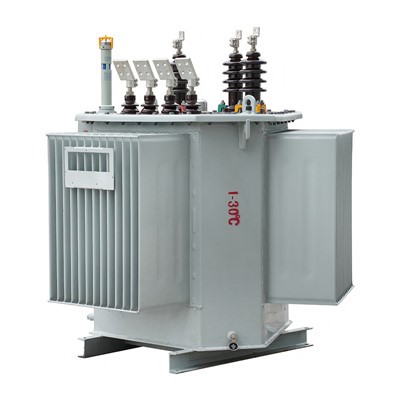
Our transformers are designed and manufactured to meet the highest industry standards. We have a team of experienced engineers and technicians who can assist you in selecting the right transformer for your specific requirements. Whether you need a small distribution transformer or a large power transformer for a utility application, we have the expertise and resources to deliver a solution that meets your needs.
Conventional Power Transformer If you are in the market for a conventional power transformer or need more information about the Buchholz relay and its role in transformer protection, we encourage you to contact us. Our sales team is ready to answer your questions and discuss your procurement needs. We look forward to the opportunity to work with you and provide you with the best – in – class power transformers and related services.
References
- IEEE Guide for the Installation, Maintenance, and Service of Oil – Immersed Power Transformers, IEEE Std C57.106 – 2016.
- Power Transformer Engineering: Design and Practice by James H. Harlow.
- Electrical Power Systems Quality by Roger C. Dugan, Mark F. McGranaghan, and Surya Santoso.
Nantong Yawei New Energy Technology Co., Ltd.
As one of the most professional conventional power transformer manufacturers and suppliers in China, we’re featured by quality products and good service. Please rest assured to wholesale durable conventional power transformer made in China here from our factory. Customized orders are welcome.
Address: Room 28-101, Building 27 and 28, No.333 Kaiyuan Avenue, Sunzhuang Subdistrict, Hai’an City, Nantong City, Jiangsu Province, China
E-mail: admin@nantongyawei.com
WebSite: https://www.nantongyawei.com/
