Hey there! I’m a supplier in the feeding system business, and today I wanna chat about something super important: the power consumption of a feeding system. Feeding System
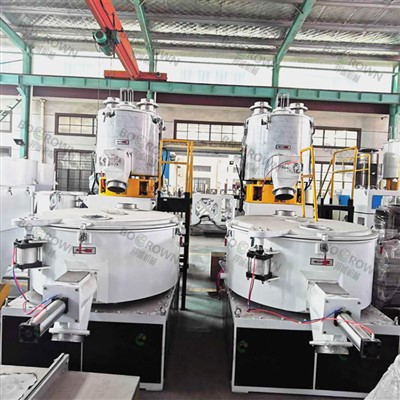
Let’s start with the basics. A feeding system can be used in all sorts of industries, from agriculture to manufacturing. In agriculture, it’s used to deliver food to livestock. In manufacturing, it can be for transporting raw materials to different parts of the production line. And in both cases, power consumption is a big deal.
First off, why does power consumption matter? Well, for one, it directly affects your operating costs. The more power a feeding system uses, the more you’re gonna pay on your electricity bill. That’s money straight outta your pocket. And in today’s competitive market, every penny counts.
Another reason is the environmental impact. We’re all becoming more aware of our carbon footprint, and high – power consumption means more greenhouse gas emissions. If we can reduce the power our feeding systems use, we’re not only saving money but also doing our part for the planet.
Now, what factors affect the power consumption of a feeding system?
1. System Design
The design of the feeding system plays a huge role. A well – designed system will be more energy – efficient. For example, if the conveyor belts are properly aligned and the motors are sized correctly, the system won’t have to work as hard. On the other hand, a poorly designed system might have a lot of friction, which means the motors have to use more power to move the materials.
Let’s say you have a feeding system with a conveyor belt that’s too long or has too many bends. The material will have to travel a longer distance and overcome more resistance, so the motor will need more power to keep it moving. In contrast, a straight and well – sized conveyor belt will use less energy.
2. Type of Material
The type of material being fed also matters. If you’re feeding light and fluffy materials like feathers, it won’t take as much power as feeding heavy and dense materials like metal parts. Heavy materials require more force to move, which means more energy is needed. For instance, in a factory that makes cars, the feeding system for steel sheets will consume more power than a system used to feed plastic parts.
3. Speed of the System
The speed at which the feeding system operates is another crucial factor. A faster system will generally use more power. If you set your conveyor belt to run at a high speed, the motor has to work harder to maintain that speed. However, you can’t always slow down the system because you need to meet production demands. So, it’s a balance between speed and power consumption.
4. Motor Efficiency
The efficiency of the motors in the feeding system is a game – changer. High – efficiency motors convert more of the electrical energy they consume into mechanical energy. That means less energy is wasted as heat. For example, an old, inefficient motor might only convert 70% of the electricity into useful work, while a modern, high – efficiency motor could convert 90% or more. So, upgrading your motors can significantly reduce power consumption.
5. Control Systems
Having a good control system in place can also help reduce power consumption. A smart control system can adjust the speed of the feeding system based on the demand. For example, if there’s less material to be fed, the system can slow down automatically, saving power. It can also control the start and stop of the system more precisely, preventing unnecessary power usage during idle times.
So, how can you measure the power consumption of a feeding system?
The easiest way is to use a power meter. You can connect it to the electrical supply of the feeding system, and it will give you real – time data on how much power the system is using. You can then analyze this data to see if there are any patterns or areas where you can make improvements.
Another way is to calculate it based on the motor ratings. If you know the power rating of the motors in the feeding system and how long they run, you can estimate the power consumption. But keep in mind that this is just an estimate, as the actual power usage might vary depending on the load and other factors.
Now, as a feeding system supplier, I know how important it is to offer energy – efficient solutions. We’ve been working hard to develop feeding systems that are not only reliable and effective but also consume less power. Our team of engineers uses the latest technology to design systems with optimized conveyor belts, high – efficiency motors, and smart control systems.
For example, we have a new line of feeding systems that uses a variable – frequency drive on the motors. This allows the speed of the motors to be adjusted precisely according to the load, which can save a significant amount of power. We’ve also spent a lot of time researching different materials for the conveyor belts to reduce friction and improve energy efficiency.
If you’re in the market for a feeding system, whether it’s for a small farm or a large manufacturing plant, you should really consider the power consumption. Look for a system that is designed to be energy – efficient, and don’t be afraid to ask your supplier about it.
At our company, we’re committed to helping you find the best feeding system for your needs while keeping your power costs down. We can provide you with detailed information about the power consumption of our systems, as well as offer advice on how to optimize their operation.
If you’re interested in learning more, or if you’re ready to start a conversation about purchasing a feeding system, don’t hesitate to reach out. We’re here to answer any questions you might have and to help you make the right decision.
In conclusion, power consumption is a key factor when it comes to feeding systems. By understanding the factors that affect it and choosing an energy – efficient system, you can save money and reduce your environmental impact. So, take the time to do your research and make a smart choice.
PVC Automatic Compounding and Feeding System References
- General Electric. "Motor Efficiency and Performance."
- USDA Agricultural Handbook. "Energy Management in Agricultural Feeding Systems."
- Conveyor Equipment Manufacturers Association (CEMA). "Conveyor Design and Efficiency Guidelines."
ZJG BC Machinery Co., Ltd.
As one of the most professional feeding system manufacturers and suppliers in China, we’re featured by quality products and good price. Please rest assured to buy cost-efficient feeding system for sale here from our factory. Contact us for custom service and OEM service.
Address: No.8 Lexi Road, Leyu Town, Zhangjiagang City
E-mail: sales@bcextruder.com
WebSite: https://www.bcextruder.com/
