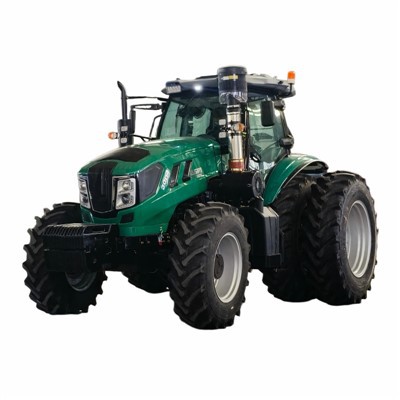
Calibrating agricultural implements is a crucial process that ensures optimal performance, precision, and efficiency in farming operations. As a trusted supplier of agricultural implements, I understand the significance of proper calibration and its impact on crop yield and overall farm productivity. In this blog post, I will guide you through the essential steps and best practices for calibrating various agricultural implements, helping you make the most of your equipment and achieve better results in the field. Agricultural Implements
Understanding the Importance of Calibration
Calibration is the process of adjusting and verifying the accuracy of an agricultural implement to ensure that it operates within specified parameters. This is essential for several reasons:
- Accurate Application: Proper calibration ensures that fertilizers, pesticides, and other inputs are applied at the correct rate and distribution, preventing over – or under – application. This not only saves costs but also protects the environment and promotes healthy crop growth.
- Uniform Performance: Calibrated implements deliver consistent results across the field, reducing variability in crop emergence, growth, and yield. This leads to more predictable and manageable farming operations.
- Equipment Longevity: Regular calibration helps to identify and address potential issues with the implement, such as clogged nozzles or worn parts, before they cause significant damage. This extends the lifespan of the equipment and reduces maintenance costs.
Calibrating Fertilizer Spreaders
Fertilizer spreaders are used to distribute fertilizers evenly across the field. To calibrate a fertilizer spreader, follow these steps:
Step 1: Determine the Desired Application Rate
The application rate of fertilizer depends on several factors, including the type of crop, soil fertility, and growth stage. Consult with your agronomist or refer to the fertilizer manufacturer’s recommendations to determine the appropriate application rate for your specific needs.
Step 2: Prepare the Spreader
Clean the spreader thoroughly to remove any debris or old fertilizer. Check for any damage or wear to the spreading mechanism, such as worn discs or belts, and replace any faulty parts.
Step 3: Measure the Spreader’s Output
Mark a test area in a flat, open field. Weigh a known amount of fertilizer and load it into the spreader hopper. Set the spreader to the recommended setting based on the desired application rate. Drive the spreader at a constant speed across the test area. After the test run, collect the fertilizer from the marked area and weigh it. Calculate the actual application rate based on the amount of fertilizer collected and the area covered.
Step 4: Adjust the Spreader Settings
If the actual application rate is different from the desired rate, adjust the spreader settings accordingly. This may involve changing the gate opening, adjusting the spinner speed, or modifying the spread pattern. Repeat the test run and measurement until the desired application rate is achieved.
Calibrating Sprayers
Sprayers are used to apply pesticides, herbicides, and fungicides to crops. Proper calibration of sprayers is essential to ensure effective pest control and minimize the risk of chemical drift.
Step 1: Select the Correct Nozzles
The type and size of nozzles used in a sprayer determine the spray pattern, droplet size, and application rate. Select nozzles that are appropriate for the type of chemical being applied, the crop being treated, and the desired spray coverage.
Step 2: Clean and Inspect the Sprayer
Before calibration, clean the sprayer thoroughly to remove any residue from previous applications. Inspect the sprayer components for any damage or wear, such as clogged nozzles, leaks, or malfunctioning valves. Replace any faulty parts as needed.
Step 3: Determine the Spray Volume
The spray volume is the amount of liquid applied per unit area. It is typically measured in gallons per acre (GPA). To determine the spray volume, measure the amount of water the sprayer delivers in a given time while operating at a constant pressure and speed. Divide the volume of water collected by the area covered during the test run.
Step 4: Calculate the Application Rate
Once the spray volume is determined, calculate the application rate of the chemical based on the recommended dosage. The application rate is usually expressed in ounces, pounds, or grams of active ingredient per acre.
Step 5: Adjust the Spray Settings
If the actual application rate is different from the desired rate, adjust the spray settings by changing the nozzle type, pressure, or speed. Repeat the calibration process until the desired application rate is achieved.
Calibrating Seed Drills
Seed drills are used to plant seeds at a uniform depth and spacing. Proper calibration of seed drills ensures accurate seed placement and optimal plant population.
Step 1: Select the Appropriate Seed Plate
The seed plate is the component of the seed drill that controls the amount and spacing of seeds being planted. Select a seed plate that is appropriate for the type and size of seeds you are planting.
Step 2: Clean and Inspect the Seed Drill
Clean the seed drill thoroughly to remove any debris or old seeds. Inspect the drill components for any damage or wear, such as clogged seed tubes, worn seed plates, or loose chains. Replace any faulty parts as needed.
Step 3: Determine the Seeding Rate
The seeding rate is the number of seeds planted per unit area. It is typically measured in pounds per acre or seeds per square foot. Consult with your seed supplier or agronomist to determine the appropriate seeding rate for your specific crop and soil conditions.
Step 4: Calibrate the Seed Drill
To calibrate the seed drill, mark a test area in a field. Set the drill to the recommended setting based on the desired seeding rate. Fill the seed hopper with a known amount of seeds. Drive the drill across the test area at a constant speed. After the test run, count the number of seeds in a specified area of the test plot. Calculate the actual seeding rate based on the number of seeds counted and the area covered.
Step 5: Adjust the Drill Settings
If the actual seeding rate is different from the desired rate, adjust the drill settings by changing the seed plate, adjusting the drive mechanism, or modifying the seed singulation system. Repeat the calibration process until the desired seeding rate is achieved.
Regular Maintenance and Calibration Checks
Calibration is not a one – time process. It is important to perform regular maintenance and calibration checks on your agricultural implements to ensure that they continue to operate accurately and efficiently.
- Pre – Season Calibration: Before each planting season, perform a thorough calibration of all your implements. This will ensure that they are in optimal working condition and ready for the upcoming crop cycle.
- Mid – Season Checks: During the growing season, check the calibration of your implements periodically, especially after any significant maintenance or repair work. This will help to identify and correct any issues that may arise due to normal wear and tear.
- Post – Season Maintenance: At the end of the growing season, clean and store your implements properly. Perform any necessary repairs or replacements, and recalibrate the implements before storing them for the off – season.
Conclusion
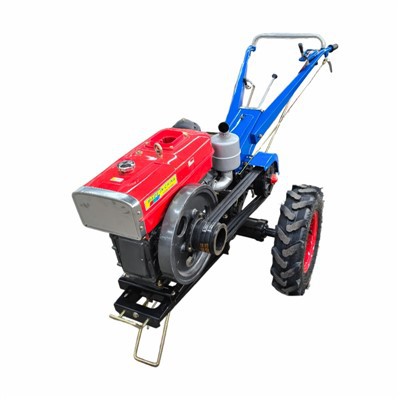
Calibrating agricultural implements is a fundamental aspect of modern farming. By following the steps and best practices outlined in this blog post, you can ensure that your implements are operating at peak performance, delivering accurate and consistent results in the field. As a supplier of agricultural implements, I am committed to providing you with high – quality equipment and expert advice to help you achieve your farming goals.
Agricultural Implements If you are interested in purchasing or upgrading your agricultural implements, or if you have any questions about calibration or maintenance, please feel free to contact us for a consultation. Our team of experts is ready to assist you in finding the right solutions for your farm.
References
- Agricultural Machinery Management Decisions, Purdue University Extension.
- Spray Nozzle Selection and Calibration Guide, The Ohio State University Extension.
- Seed Drill Calibration Manual, Iowa State University Extension.
Shandong Ling Ke Industry Group Co., Ltd.
As one of the most professional agricultural implements manufacturers and suppliers in China, we’re featured by quality products and good price. Please rest assured to buy cheap agricultural implements for sale here from our factory. We also accept customized orders.
Address: 50 Meters West of the Connecting Road Between Jiuma Road and Shima Road, Fangzi District, Weifang City, Shandong Province, P.R.China
E-mail: aileenlin@sdlingkegroup.com
WebSite: https://www.lingketractor.com/
