Yo! I’m in the solar inverter game, and I often get asked about the efficiency curve of a solar inverter. So, let’s dig into this topic and break it down in a way that’s easy to understand. Solar Inverter
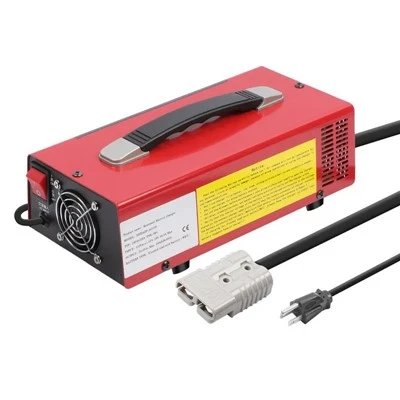
First off, what the heck is a solar inverter? Well, it’s a crucial piece of equipment in a solar power system. Solar panels generate direct current (DC) electricity, but most of our homes and businesses use alternating current (AC) electricity. That’s where the solar inverter steps in. It converts the DC power from the solar panels into AC power that we can actually use.
Now, onto the efficiency curve. The efficiency curve of a solar inverter shows how efficient the inverter is at different levels of power input. In simple terms, it tells us how well the inverter can convert that DC power into AC power depending on how much power the solar panels are producing.
Why is this important? Well, the efficiency of an inverter can have a big impact on the overall performance of a solar power system. A more efficient inverter means more of the electricity generated by the solar panels gets turned into usable power. That translates to more savings on your electricity bill and a better return on your investment in solar energy.
Let’s take a closer look at what affects the efficiency curve. One of the main factors is the power level. Inverters typically aren’t equally efficient at all power levels. Most inverters have a peak efficiency point, which is the power level at which the inverter operates most efficiently. This is usually around 50% to 80% of the inverter’s rated capacity.
For example, if you have a 5kW inverter, its peak efficiency might occur when it’s operating at around 2.5kW to 4kW. When the power input is lower or higher than this range, the efficiency decreases. At very low power levels, the inverter has to use some of the power it’s converting just to keep itself running, which reduces the overall efficiency. On the other hand, when the power input is too high, the inverter can get overloaded, and its efficiency drops off as well.
Another factor that affects the efficiency curve is the temperature. Solar inverters get hot when they’re working, and high temperatures can reduce their efficiency. Most inverters are designed to operate within a certain temperature range, and if the temperature goes outside of this range, the efficiency can start to decline. That’s why it’s important to install inverters in a well – ventilated area to help keep them cool.
The type of inverter also plays a role. There are different types of solar inverters, such as string inverters, microinverters, and power optimizers. Each type has its own efficiency curve characteristics. String inverters are the most common type. They’re relatively inexpensive and work well for large solar installations. However, they can be affected by the performance of the weakest solar panel in the string. If one panel is shaded or not working properly, it can drag down the performance of the whole string and the inverter’s efficiency.
Microinverters, on the other hand, are installed on each individual solar panel. This means that each panel can operate independently, and shading or issues with one panel don’t affect the others as much. Microinverters often have a flatter efficiency curve, which means they can maintain a relatively high efficiency over a wider range of power levels. But they’re usually more expensive than string inverters.
Power optimizers are a bit of a hybrid. They’re installed on each panel like microinverters, but they work in conjunction with a central string inverter. They can improve the overall performance of the system by optimizing the power output of each panel and reducing the impact of shading. Their efficiency curves are also designed to be fairly flat, but they have their own unique characteristics.
As a solar inverter supplier, we’ve seen the importance of understanding the efficiency curve firsthand. We’ve worked with customers who were initially confused about which inverter to choose. By explaining the efficiency curve and how it relates to their specific solar power system, we’ve been able to help them make more informed decisions.
For instance, if a customer has a small residential solar installation with limited shading, a string inverter might be a cost – effective choice. But if they have a large installation with a lot of shading or panels facing different directions, microinverters or power optimizers could be a better option, even though they’re more expensive, because they can provide a higher overall efficiency.
We also know that the efficiency curve isn’t the only thing to consider when choosing a solar inverter. Other factors like reliability, warranty, and compatibility with other components of the solar power system are also important. But the efficiency curve is a key factor that can really affect the long – term performance and cost – effectiveness of a solar installation.
When we supply inverters, we always want to make sure our customers are getting the best value for their money. That’s why we take the time to educate them about the efficiency curve and how it impacts their solar power system. We want them to be able to maximize the amount of electricity they generate from their solar panels and save as much as possible on their energy bills.
In addition to providing high – quality inverters, we also offer support and advice to our customers. If they’re having issues with the efficiency of their solar power system, we’re here to help them troubleshoot and figure out what might be going wrong. Maybe the inverter is being installed in a location that’s too hot, or maybe the panels aren’t configured correctly. We can help them identify the problem and come up with a solution.
So, if you’re in the market for a solar inverter, don’t just look at the price tag. Take the time to understand the efficiency curve and how it relates to your specific needs. Consider the size of your solar installation, the amount of shading you have, and your budget. And if you have any questions, don’t hesitate to reach out to us.
We’re always happy to have a chat with you and help you find the right solar inverter for your situation. Whether you’re a homeowner looking to go solar for the first time or a business owner trying to reduce your energy costs, we’ve got the expertise and the products to meet your needs.
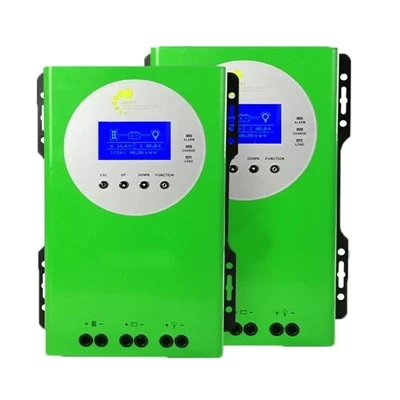
Let’s work together to make the most of the sun’s energy and create a more sustainable future. If you’re interested in learning more or want to discuss a potential purchase, give us a shout. We’re ready to help you take the next step in your solar journey.
Off Grid Off Inverter References:
- Solar Energy International. (2023). Solar PV Design and Installation Handbook.
- Clean Energy Council. (2023). Solar PV System Efficiency Guidelines.
- Various inverter manufacturers’ technical documents.
Huizhou Qiangfeng Power Technology Co., Ltd.
Huizhou Qiangfeng Power Technology Co., Ltd. is one of the most professional solar inverter manufacturers and suppliers in China, featured by quality products and good service. We warmly welcome you to buy customized solar inverter made in China here from our factory. If you have any enquiry about quotation and free sample, please feel free to email us.
Address: No. 28, Hu’ao Avenue, Shiwan Town, Boluo County, Huizhou City, Guangdong Province
E-mail: Komco@Jinlidianqi.cn
WebSite: https://www.autobatterychargers.com/
