Hey there, fellow metalworking enthusiasts! I’m [Your Name], and I’m part of a crew that supplies top – notch Aluminum End Mills. Today, I wanna dig into a question that comes up a lot: "Can I use a regular end mill on aluminum?" Aluminum End Mills
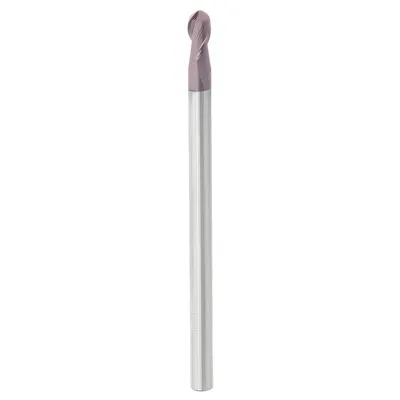
Let’s start by getting clear on what we mean by a "regular end mill." A regular end mill is usually designed to work on a variety of materials like steel, wood, and plastics. These end mills come in different shapes and sizes, with common types being square end mills, ball nose end mills, and corner radius end mills.
Now, aluminum is a bit of a special material. It’s lightweight, has good thermal conductivity, and is relatively soft compared to steel. When it comes to machining aluminum, the properties of the material can have a big impact on how well the end mill performs.
So, can you use a regular end mill on aluminum? The short answer is yes, you can. But it’s not always the best idea. When you use a regular end mill on aluminum, you’ll likely run into a few problems.
One of the main issues is chip evacuation. Aluminum has a tendency to stick to the cutting edges of the end mill. Regular end mills might not have the proper flute design to handle the chips generated when cutting aluminum. The chips can build up in the flutes, causing the end mill to overheat and wear out quickly. This can also lead to a poor surface finish on the aluminum workpiece.
Another problem is the cutting speed. Regular end mills are often optimized for materials that are harder than aluminum. When you use them on aluminum, you might not be able to take full advantage of aluminum’s softness. You’ll end up with a slower cutting speed, which means longer machining times and less efficiency.
Let’s talk about the wear and tear on the end mill. Aluminum is a soft material, but it can still be abrasive. Regular end mills might not be coated or made from the right material to withstand the abrasion from aluminum. Over time, the cutting edges will dull, and you’ll have to replace the end mill more frequently.
On the flip side, using an end mill specifically designed for aluminum has a bunch of benefits. Aluminum end mills are engineered to deal with the unique properties of aluminum.
First off, they have better flute designs. The flutes are usually wider and more helical, which helps in efficient chip evacuation. This means less chip buildup, less heat generation, and a longer – lasting end mill.
Secondly, the cutting edges of aluminum end mills are sharper and more optimized for cutting through aluminum. They can handle higher cutting speeds, which translates to faster machining times and increased productivity.
The coatings on aluminum end mills are also a game – changer. Many aluminum end mills are coated with materials like titanium nitride (TiN) or aluminum titanium nitride (AlTiN). These coatings reduce friction, increase wear resistance, and improve the overall performance of the end mill.
I remember one of our customers, a small – scale machining shop, was using regular end mills on aluminum. They were constantly complaining about the long machining times and the frequent end mill replacements. After we recommended our aluminum end mills, they saw a significant improvement. Their machining time was cut in half, and they were able to produce more parts in less time. The surface finish of their aluminum parts also improved, which led to more satisfied customers.
Now, I know what you’re thinking. "Are aluminum end mills more expensive?" Well, yes, they can be a bit pricier upfront. But when you consider the long – term savings in terms of reduced tool replacement costs, increased productivity, and better part quality, it’s definitely worth the investment.
If you’re still on the fence about whether to switch to aluminum end mills, here are a few things to consider. Think about the volume of aluminum machining you do. If you’re doing a lot of it, the benefits of using aluminum – specific end mills will quickly outweigh the initial cost. Also, consider the quality requirements of your parts. If you need a high – quality surface finish, an aluminum end mill is the way to go.
In conclusion, while you can use a regular end mill on aluminum, it’s not the most efficient or cost – effective option. Aluminum end mills are designed to handle the unique challenges of machining aluminum, and they offer better performance, longer tool life, and improved part quality.
If you’re interested in learning more about our Aluminum End Mills or want to discuss your specific machining needs, don’t hesitate to reach out. We’re here to help you make the best choice for your business. Whether you’re a small – time hobbyist or a large – scale manufacturing plant, we have the right end mills for you. Let’s start a conversation and see how we can improve your machining process.
Internal External Threading Inserts References
- "Machining Aluminum: Best Practices and Techniques" – Metalworking Magazine
- "End Mill Selection Guide for Different Materials" – Tooling Journal
- "The Impact of Flute Design on Chip Evacuation in Aluminum Machining" – Manufacturing Research Report
Small Craftsman (Shandong) Machine & Tools Co., Ltd.
Small Craftsman (Shandong) Machine & Tools Co., Ltd. is one of the most experienced aluminum end mills manufacturers and suppliers in China, also supports customized service with low price. Please feel free to buy bulk high quality aluminum end mills in stock here from our factory. Contact us for pricelist.
Address: No.9 Quanxin Rd., Sishui Economic Developing Zone, Jining, Shandong, China.
E-mail: 6196@ocutchina.com
WebSite: https://www.ocutooling.com/
