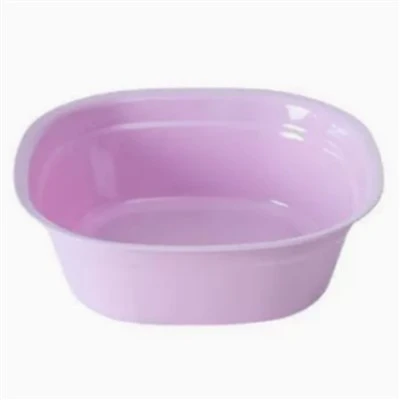
Hey there! As a supplier of plastic household items, I get this question a lot: “How do I know if a plastic household item is food – safe?” It’s a super important question, especially when we’re talking about the stuff we use to store, cook, and serve our food. In this blog, I’m going to break it down for you, sharing some tips and insights on how to figure out if that plastic item in your hand is safe to use with food. Plastic Household Items
Understanding Plastic Resin Codes
First things first, you’ve probably noticed those little triangular symbols with numbers inside on your plastic products. These are called plastic resin codes, and they’re like a secret language that tells you what kind of plastic the item is made from. Each code corresponds to a different type of plastic, and some are more food – safe than others.
- Code 1 (PET or PETE): This is the most common plastic for single – use beverage bottles. It’s generally considered food – safe for short – term use, like holding your morning juice. But it’s not ideal for long – term food storage because it can leach out chemicals over time.
- Code 2 (HDPE): High – density polyethylene is a great choice for food storage. It’s strong, durable, and resistant to chemicals. You’ll often find it in milk jugs, detergent bottles, and some food storage containers. It’s one of the safest plastics for food contact.
- Code 3 (PVC): Polyvinyl chloride is a bit of a no – no when it comes to food. It can contain phthalates, which are chemicals that can disrupt the endocrine system. Avoid using PVC containers for food unless they’re specifically labeled as food – safe.
- Code 4 (LDPE): Low – density polyethylene is flexible and often used in plastic bags and some food wrapping. It’s usually safe for food contact, but it’s not as heat – resistant as some other plastics, so don’t use it in the oven or microwave.
- Code 5 (PP): Polypropylene is another excellent option for food. It has a high melting point, which means it can withstand some heat. You’ll find it in yogurt containers, microwave – safe storage containers, and even some kitchen utensils.
- Code 6 (PS): Polystyrene, or Styrofoam, is a controversial one. It can leach styrene, a possible carcinogen, especially when exposed to heat or acidic foods. It’s best to avoid using PS for hot foods or long – term food storage.
- Code 7 (Other): This is a catch – all category for plastics that don’t fit into the other six categories. Some plastics in this group, like polycarbonate, can contain BPA (bisphenol A), which is a chemical that has been linked to health issues. Make sure to check if the item is labeled "BPA – free" if it falls under this code.
Checking for Labels and Certifications
One of the easiest ways to tell if a plastic household item is food – safe is to look for labels and certifications. If a product says "FDA – approved" or "Food – safe," that’s a good sign. The Food and Drug Administration (FDA) in the United States sets strict standards for plastics that come into contact with food.
In other countries, there are similar regulatory bodies. For example, the European Union has its own set of regulations for food – contact materials. Look for symbols like the CE mark in Europe, which indicates that the product meets EU safety standards.
But don’t just take the label at face value. Sometimes, unscrupulous manufacturers might mislabel their products. Do a bit of research on the brand and product if you’re unsure. You can also check online reviews to see what other consumers have to say about the product’s food – safety.
Considering the Color and Additives
The color of the plastic can also give you a clue about its food – safety. Clear or natural – colored plastics are generally a safer bet than brightly colored ones. That’s because the dyes used to color plastics can sometimes contain heavy metals or other harmful chemicals that could leach into your food.
Additives are another thing to watch out for. Some plastics are treated with additives to make them more flexible, flame – resistant, or easier to manufacture. However, these additives can sometimes be toxic. For example, some plasticizers used to make PVC more flexible can be harmful. If possible, choose products that are labeled as free from harmful additives like phthalates and BPA.
Performing a Simple Smell and Taste Test (with Caution)
Okay, this one might sound a bit weird, but it can actually be a useful way to tell if a plastic is safe. Give the plastic item a sniff. If it has a strong, chemical smell, it could be a sign that it’s not food – safe. The same goes for taste. If you’re considering using a plastic utensil or container, take a tiny sip of water from it. If it imparts a strange taste to the water, it might not be suitable for food contact.
But be careful with this test. Don’t ingest any significant amount of the plastic or its residues. And remember, this is just a preliminary test and not a substitute for proper research and certification.
Heat and Chemical Resistance
Food – safe plastics should be able to withstand normal cooking and food – storage conditions. If you’re going to use a plastic container in the microwave or dishwasher, make sure it’s designed for that purpose. Not all plastics can handle high temperatures or harsh chemicals.
For example, putting a non – microwave – safe plastic container in the microwave can cause it to melt or release harmful chemicals. Similarly, using a plastic that’s not resistant to detergents in the dishwasher can lead to degradation of the plastic and potential leaching of chemicals.
Our Commitment as a Supplier
As a plastic household items supplier, we take food – safety very seriously. We source our materials from reputable manufacturers who adhere to strict quality and safety standards. All our products that are intended for food contact are thoroughly tested to ensure they meet or exceed regulatory requirements.
We understand that our customers trust us to provide them with safe and reliable products. That’s why we’re always on top of the latest research and regulations regarding plastic food – safety. We’re constantly looking for ways to improve our products and make them even safer for our customers.
Let’s Start the Conversation
If you’re in the market for high – quality, food – safe plastic household items, I’d love to talk to you. Whether you’re a restaurant owner looking for durable food storage containers or a homeowner who wants to replace their old plastic utensils with something safer, we’ve got you covered.
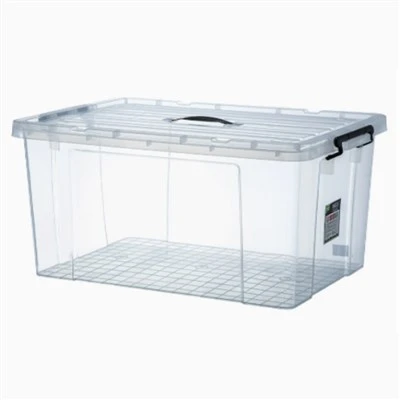
We offer a wide range of plastic products, from cutting boards to storage containers, all designed with food – safety in mind. And we’re not just about selling products. We’re here to provide you with expert advice and guidance on choosing the right plastic items for your needs.
Plastic Kitchen Items So, if you’re interested in learning more about our products or starting a procurement discussion, don’t hesitate to reach out. You can get in touch with us, and we’ll be happy to answer all your questions and help you find the perfect plastic household items for your food – related needs.
References
- American Chemistry Council, “Plastic Resin Codes.”
- U.S. Food and Drug Administration, “Food Contact Substances: A to Z Index.”
- European Union Commission, “Regulations on Food – Contact Materials.”
Yongkang Shunjiang Plastic Products Co., Ltd.
As one of the most professional plastic household items manufacturers and suppliers in China, we offer a wide range of products with superior quality. Please feel free to wholesale bulk customized plastic household items from our factory. Also, pricelist is available.
Address: Kangzhuang Road, Xicheng Subdistrict, Yongkang City, Zhejiang Province, China
E-mail: 15158911623@163.com
WebSite: https://www.shunjiangplas.com/
