How do dental titanium blocks compare to silver dental materials?
In the dynamic world of dental materials, the choice between dental titanium blocks and silver dental materials is a critical decision that impacts both the quality of dental restorations and patient outcomes. As a supplier of dental titanium blocks, I’ve witnessed firsthand the evolution of these materials and the unique advantages they each offer. In this blog, I’ll delve into a comprehensive comparison of dental titanium blocks and silver dental materials, exploring their properties, applications, and long – term implications. Dental Titanium Blocks
Physical and Chemical Properties
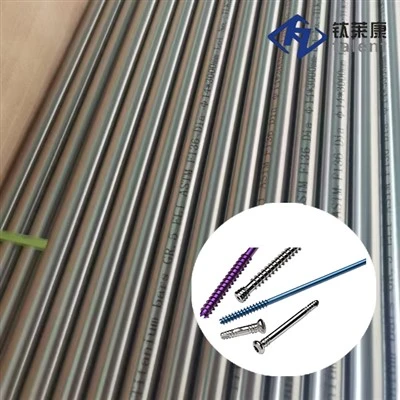
Let’s start by examining the physical and chemical properties of these two materials. Dental titanium blocks are primarily made of titanium, a metal known for its exceptional strength – to – weight ratio. Titanium is incredibly lightweight, yet it can withstand high levels of stress, making it an ideal choice for dental applications where durability is crucial. It also has excellent corrosion resistance, thanks to the formation of a thin, protective oxide layer on its surface when exposed to air. This oxide layer prevents the metal from reacting with oral fluids and other substances in the mouth, reducing the risk of metal leaching and allergic reactions.
On the other hand, silver dental materials, often in the form of amalgams or silver – based alloys, have a long history of use in dentistry. Silver is a soft and malleable metal, which makes it easy to work with during the restoration process. However, its softness also means that it may wear down more quickly over time, especially in areas of high occlusal stress. Silver amalgams are composed of a mixture of silver, tin, copper, and mercury. While mercury is used to bind the other metals together, it has raised some concerns due to its potential toxicity. Although modern dental amalgams are considered safe when properly formulated and placed, the issue of mercury release remains a topic of debate.
Biocompatibility
Biocompatibility is a key factor in dental materials, as they need to be well – tolerated by the human body. Dental titanium is highly biocompatible, which means it has a low risk of causing an immune response or allergic reactions in patients. This is particularly important for long – term dental implants and restorations, where the material will be in contact with the oral tissues for an extended period. Titanium can integrate well with the surrounding bone tissue, a process known as osseointegration, which is essential for the success of dental implants.
Silver dental materials, although generally safe for most patients, may cause allergic reactions in some individuals. Silver and mercury allergies can lead to symptoms such as oral mucosal irritation, swelling, and itching. In addition, the potential release of mercury from silver amalgams over time has raised concerns about its long – term effects on the body, particularly the nervous system.
Aesthetic Considerations
Aesthetics play an important role in modern dentistry, as patients often desire dental restorations that blend in seamlessly with their natural teeth. Dental titanium blocks offer a limited aesthetic appeal on their own, as titanium has a distinct metallic color. However, they can be used in combination with other materials, such as ceramic veneers, to achieve a more natural – looking appearance. For dental implants, zirconia abutments can be used with titanium implants to improve the aesthetic outcome.
Silver dental materials, especially amalgams, are easily distinguishable from natural teeth due to their gray or silver color. This makes them less desirable for front – tooth restorations, where aesthetics are of utmost importance. However, silver amalgams are still commonly used for posterior teeth, where their durability and cost – effectiveness often outweigh the aesthetic concerns.
Cost – effectiveness
Cost is a significant factor for both dental practitioners and patients when choosing dental materials. Dental titanium blocks tend to be more expensive than silver dental materials. The high cost of titanium is mainly due to the complex manufacturing process and the high – quality raw materials used. However, the long – term cost – effectiveness of titanium should also be considered. Titanium dental restorations, such as implants, have a high success rate and can last for many years, reducing the need for frequent replacements.
Silver dental materials, on the other hand, are relatively inexpensive. Silver amalgams are a cost – effective option for dental fillings, especially for large cavities in posterior teeth. However, their shorter lifespan and potential need for replacement in the future may offset the initial cost savings.
Applications in Dentistry
Dental titanium blocks have a wide range of applications in modern dentistry. They are most commonly used for dental implants, as titanium’s ability to osseointegrate with the bone makes it an ideal material for anchoring artificial teeth. Titanium is also used in the fabrication of dental prostheses, such as crowns, bridges, and dentures, where its strength and durability are highly valued.
Silver dental materials, primarily amalgams, are still widely used for dental fillings, especially in posterior teeth. Amalgams are known for their good marginal adaptation and resistance to wear, making them suitable for areas that experience high chewing forces. However, the use of silver amalgams is gradually decreasing, especially in cosmetic dentistry, due to aesthetic concerns and the growing availability of alternative materials.
Environmental Impact
In today’s environmentally conscious world, the environmental impact of dental materials is an important consideration. Dental titanium is a recyclable material, which means that it can be reused at the end of its lifespan. This reduces the demand for new raw materials and minimizes waste. Additionally, the production of titanium has a relatively low environmental impact compared to some other metals.
Silver dental materials, especially amalgams, pose some environmental challenges. The disposal of used amalgams requires special handling to prevent the release of mercury into the environment. Mercury is a toxic substance that can contaminate water and soil, and harm wildlife and human health. As a result, many dental practices are now implementing mercury management programs to reduce their environmental footprint.
Conclusion
In conclusion, both dental titanium blocks and silver dental materials have their own unique advantages and disadvantages. Dental titanium blocks offer superior strength, biocompatibility, and long – term durability, making them an excellent choice for dental implants and high – quality restorations. However, they are more expensive and have limited aesthetic appeal on their own. Silver dental materials, such as amalgams, are cost – effective and easy to work with, but they may cause allergic reactions and have aesthetic limitations.
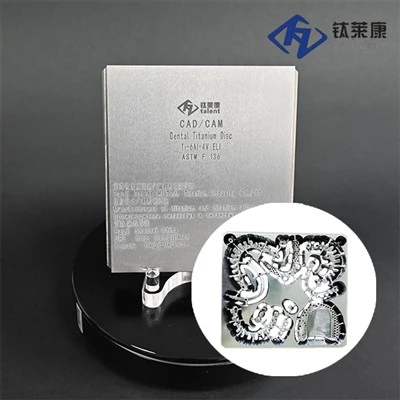
As a supplier of dental titanium blocks, I believe that titanium is the future of dental materials. Its numerous benefits, especially in terms of biocompatibility and long – term performance, make it a reliable choice for dental professionals and patients alike. However, I also recognize that silver dental materials still have a place in dentistry, particularly for certain applications where cost – effectiveness is a primary concern.
Medical Titanium Plates If you are a dental professional or a distributor interested in exploring the possibilities of dental titanium blocks, I invite you to contact me for a detailed discussion. We can explore how our high – quality dental titanium blocks can meet your specific needs and help you provide the best possible dental care for your patients. Whether you are looking for dental implants, crowns, or other titanium – based restorations, we are here to support you every step of the way.
References
- "Dental Materials: Properties and Manipulation" by Craig’s.
- "Textbook of Oral and Maxillofacial Implantology" by Carl E. Misch.
- Journal of Dental Research articles on dental materials and their applications.
Baoji Tailaikang High-Tech Metal Materials Co., Ltd.
With abundant experience, we are one of the most professional dental titanium blocks manufacturers and suppliers in China. Please feel free to buy dental titanium blocks for sale here and get pricelist from our factory. For price consultation, contact us.
Address: No. 1, Southeast Cross of Gaoxin Avenue and Fenghuang 3rd Road, High-tech Development Zone, Baoji City, Shaanxi Province, China
E-mail: sale@tlkjs.com
WebSite: https://www.tlkmetal.com/
