If you’ve ever rented a piece of equipment—whether it’s a jackhammer for a backyard demo, a temperature-controlled generator for a pop-up event, or a full set of scaffolding for a residential roof repair—you’ve probably wondered what happens to that gear when you drop it off after your job ends. For my team and me, as an equipment rental supplier, it’s not just a matter of parking it in a lot; our storage policy is one of the most critical parts of keeping our fleet reliable, safe, and ready for every next renter. It’s also one of the most overlooked parts of running a rental business, until something goes wrong: a piece gets damaged because it was stored in the wrong weather, or it’s missing a part because it wasn’t secured properly, and that delays a customer’s project. Today I want to pull back the curtain on exactly how we handle storage for our rented equipment, why every rule exists, and what you can expect when you work with us. Equipment Rental
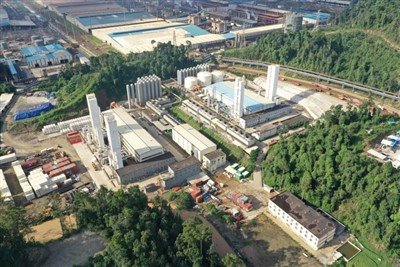
First, let’s set the stage: our fleet isn’t just sitting idle between jobs. We have more than 1,200 pieces of gear—everything from small power tools to large construction cranes, from climate-controlled food service units to farm tractors—and every single one has a specific storage requirement that depends on its size, type, and condition. We categorize our fleet into three core groups to organize our storage: small power tools and portable gear (like drills, pressure washers, and chainsaws), medium-duty equipment (like generators, scaffolding, and skid-steers), and large, high-value assets (like cranes, bulldozers, and large-scale HVAC units). Each group follows a different set of rules, and we update those rules every quarter after consulting with our service technicians, who work on the gear every single day.
Let’s start with small portable gear, because that’s what most residential and small-business renters work with, and it’s where our storage policies have the most to do with preventing common, easy-to-fix damage. When a customer returns a drill or a pressure washer, our first step isn’t to clean it or inspect it—it’s to get it into a dedicated indoor storage unit within 90 minutes of drop-off. Why? These pieces have small motors, batteries, and plastic components that get brittle in extreme cold or crack in direct sunlight. A chainsaw left outside in 100-degree heat for just a few hours can have its fuel lines warp, and a drill battery left in a garage overnight during a Midwest winter can lose 30% of its charge permanently, making it useless for the next renter. We also have a strict rule for all portable power gear: every battery must be removed and stored in a climate-controlled locked cabinet, not left in the tool’s casing. Last year, we had a customer leave a cordless hedge trimmer outside in rain for three days; the motor rusted, and by the time it came back to us, it couldn’t be fixed. That’s exactly the kind of problem our storage policy is designed to avoid. For these small items, we also assign individual bins, labeled with the tool’s serial number, so nothing gets lost in the shuffle. No more digging through piles of tools to find the right jackhammer for a construction job—every piece has a home.
Next, medium-duty equipment: this is where things get a bit more flexible, but still non-negotiable. Generators, scaffolding, skid-steers, and portable air conditioners are bigger, so storing them indoors isn’t always feasible for every unit, especially during peak rental season when our lot is full. That said, we have a tiered rule here: if a piece of medium-duty equipment is powered by gas or diesel, it has to be either stored in a covered outdoor bay (a space with a roof and sides, not just a open field) or in a dedicated fuel storage bay that’s vented and fire-suppressed. Gasoline left in a generator’s tank can go bad in as little as 30 days, which clogs the carburetor when it’s time to use it again. So our policy requires that every generator, pressure washer, or other gas-powered piece has its fuel tank drained and treated with a stabilizer within 24 hours of being returned. We also have a rule for scaffolding and other metal equipment: all frames and planks must be washed and dried before being stacked, and stored in a way that prevents them from leaning or scratching each other. Metal scaffolding left outside through a rainy season can develop rust spots that weaken the frames, which is a safety hazard for the next customer. Last spring, a local construction company rented scaffolding from us because their regular supplier was booked, and they skipped washing it before storing it on their lot over the winter. By the time they went to use it, half the planks were warped from standing water, and they had to delay their project for a week. That’s a mistake we see all the time, and our storage policy is built to make sure our customers don’t have to deal with that. For medium-duty equipment, we also have a “rotational storage” rule: every piece is moved from its spot every 90 days, even if it’s not rented, to prevent flat tires on vehicles, corrosion on hydraulic lines, and other issues that come from sitting in the same place for too long.
Now, the big stuff: large, high-value assets like cranes, bulldozers, and large HVAC or agricultural units. These are the pieces that cost tens of thousands of dollars, and a single damage incident can lead to weeks of downtime and lost revenue, so our storage policy here is the strictest of all. First, almost all of these large assets are stored in a secured, fenced warehouse with 24/7 video monitoring. The only exception is during peak seasons, like summer for construction equipment or harvest season for farm gear, when we might park a bulldozer in a covered, gated lot—but even then, it has to be placed on blocks to take the weight off its tires, and its hydraulic fluid must be checked and topped off every two weeks. We also have a rule that every large crane must have its boom fully retracted and locked in place when stored, to prevent stress on the structural parts of the crane. Back in 2021, a rental company in another state had a crane that was left with its boom extended for three months, and a heavy thunderstorm caused the boom to bend, costing them over $150,000 in repairs and a month of being out of service. We’ve never had that happen, because our technicians do a pre-storage check for every large asset, and that step is written into our policy. We also keep a digital log for every high-value piece, tracking where it’s stored, when it was last inspected, and any maintenance that was done. That log is available to customers who rent large assets, so they know exactly what condition the gear is in when it’s delivered.
But storage doesn’t end when the equipment is parked in its spot. Our policy also covers the ongoing care of equipment while it’s in storage, which is one of the things that sets us apart from other rental companies. We have a team of six full-time equipment technicians whose only job during off-peak season (the winter months, for most of our business) is to inspect every piece of equipment in storage, perform minor maintenance, and prepare it for the next rental. That means changing oil, checking fluid levels, cleaning filters, testing batteries, and tightening bolts. For small tools, that might mean sharpening a saw blade or replacing a worn belt. For a bulldozer, that might means flushing the cooling system or replacing a worn hydraulic hose. This isn’t just a nice extra—it’s part of our storage policy. We can’t rent out a piece of gear that’s in good condition if it’s sitting in storage with clogged filters or low fluid, so that routine maintenance is non-negotiable.
Another big part of our storage policy is addressing what happens when a customer keeps equipment longer than they rented it. We call that “overage,” and our policy here is clear: any piece of equipment that is not picked up by our scheduled pickup time after the rental period ends is moved to a secure, off-site storage facility after 72 hours. We charge a daily storage fee for that, and that fee goes toward covering the cost of securing the gear, inspecting it, and making sure it doesn’t get damaged while waiting to be picked up. This policy is designed to protect both us and our customers. If a customer forgets to pick up a jackhammer, we don’t want it sitting out in the rain and getting damaged, which would be a loss for both of us. We send three reminders—one two days before the rental ends, one the day it ends, and one 24 hours later—and after that, we follow our storage protocol. In the five years we’ve had this policy, it’s reduced damage from late pickups by 85%, and that’s a win for everyone.
We also have a specific policy for storing equipment during extreme weather, which is something we’ve had to adapt to after a few bad storms. For example, when a hurricane is forecast in the Southeast (where our main location is), we move all portable generators and medium-duty equipment to higher ground in our warehouse, and we strap down large pieces to the floor of our storage bays. During periods of extreme cold (below 20 degrees Fahrenheit, for us), we run generators and tractors for 15 minutes every week to keep their batteries charged and their engines from seizing. During heatwaves, we run dehumidifiers in our indoor storage units to prevent mold from growing on power tool motors or on the plastic parts of smaller equipment. These rules were put in place after a 2019 heatwave in Georgia caused over $20,000 in damage to power tools that were stored in a non-climate-controlled unit. We learned a hard lesson that year, and we’ve updated our storage policy to account for extreme weather ever since.
Now, I know what some of you might be thinking: “Why does this matter to me as a renter? I just need a jackhammer for a weekend.” Here’s the thing: our storage policy directly affects the gear you get when you rent from us. If we follow our rules, you’re getting equipment that’s been well-maintained, doesn’t have hidden damage, and will work when you need it. If we skipped steps, you might get a generator that won’t start because its gas went bad, or a drill that dies mid-job because its battery wasn’t stored properly. That’s why we spend so much time on storage—it’s not just about keeping our gear in a lot; it’s about making sure you, our customer, have a good experience and don’t have delays on your project.
At the end of the day, our storage policy isn’t just a set of rules we made up for no reason. Every rule comes from a lesson we learned, a piece of damage we fixed, or a customer problem we solved. We don’t treat our equipment as just inventory—we treat it as tools that help people build homes, host events, fix cars, and get their jobs done. That means taking care of them when they’re not in use, so they can take care of our customers when they need them.
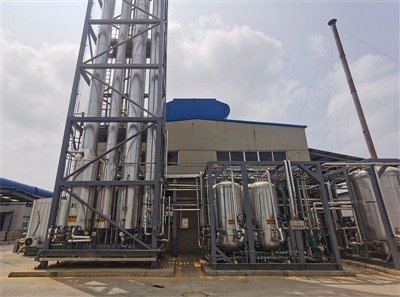
If you’re planning a project and need to rent equipment, we’re here to help. Our fleet is well-maintained, our storage policy ensures every piece is ready to go when you need it, and our team can answer any questions you have about what gear is right for your job. Reach out to our team to discuss your rental needs and find the perfect equipment for your next project.
Rare/Special Gas Equipment References
Equipment Rental Association. (2022). Best Practices for Equipment Storage and Maintenance. Industry Standard Report.
Occupational Safety and Health Administration (OSHA). (2021). Storage and Handling of Powered Industrial Equipment. Safety Guideline.
National Rental Association. (2023). Climate-Controlled Storage Requirements for Portable Power Equipment. Field Study Report.
Hanturbo Technology (Zhejiang) Co., Ltd.
Address: No.118, Wangluo Road, Deqing County, Huzhou City, Zhejiang Province, China.
E-mail: andyxu@hanturbo.com.cn
WebSite: https://www.hanturbo-gas.com/
