Hey food lovers and fellow mushroom obsessives—let’s cut to the chase: I’m the guy behind the dried bolete supply you’ve probably seen popping up in your favorite local market shelves or Instagram food reels lately, and today I’m sharing the stew recipe that’s been my go-to for cozy weeknights and weekend guests for years. Dried Bolete
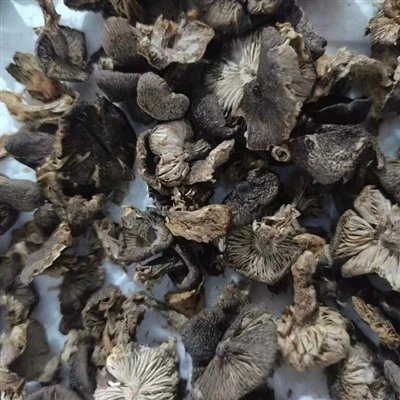
If you’ve ever grabbed a bag of my dried porcini (wait, yeah—bolete = porcini, for anyone who’s ever stared at a mushroom label and gone “huh”), you know they’re not your average grocery store fungus. These bad boys are umami-packed, earthy, and way more versatile than you think. This stew uses dried boletes (duh, I’m biased, but trust me) and simple pantry staples, no fancy ingredients required. Plus, I’m gonna break down why dried boletes are a game-changer here, not just a substitute for fresh. Let’s dive in.
First things first—why dried boletes, not fresh? Let’s be real, fresh boletes can be finicky. They go slimy in a day, and if you don’t catch them right, they’re toast. Dried ones? They’re shelf-stable for months (I’ve got stacks in my pantry that are still awesome 6 months later), and the drying process concentrates that deep, nutty umami flavor. When you rehydrate them, they plump back up and taste like they were just picked that morning. And as my go-to move as a supplier? I make sure every batch I send is properly dried at low temps to lock in that flavor, not just for shelf life. No weird, bitter aftertaste here—just pure, rich mushroom goodness.
Now, let’s talk ingredients. This is a stew, so it’s all about hearty, satisfying stuff that doesn’t need to break the bank. I’m listing what I use, but feel free to swap—cooking’s about vibes, right?
- 1 cup dried boletes (crumbled into small pieces, no need to soak yet)
- 1.5 cups dried cannellini beans (or navy beans—work just as good, I just like cannellini’s creamy texture)
Wait—pro tip: don’t use canned beans here. Dried beans hold their shape way better in the stew, and their mild flavor pairs perfectly with the boletes. If you have to use canned (no judgment, busy week!), rinse them really well and add them at the end so they don’t turn mushy. - 1 large yellow onion (diced, not too small—you want some texture)
- 3 garlic cloves (minced, or use that garlic press you never use—no shame)
- 2 carrots (peeled and sliced into rounds, about ½ inch thick)
- 2 celery stalks (diced—this is my holy trinity, y’all)
- 1 tsp dried thyme (or 3 fresh sprigs, if you’ve got ‘em)
- 1 bay leaf
- 4 cups low-sodium vegetable broth (homemade’s great, but store-bought’s fine—just skip the extra salt)
- 2 tbsp tomato paste
- 1 tbsp olive oil
- Salt and pepper to taste
- Optional: 1 cup baby spinach, ½ cup grated parmesan (for topping, non-negotiable for us cheese people), or a splash of heavy cream if you want it creamier
Wait, hold on—did I forget to mention soaking the beans? Yeah, that’s non-negotiable. Dried beans need time to plump up, and if you skip the soak, they’ll be rock hard no matter how long you cook them. Simple method: rinse the beans, put ‘em in a big bowl, cover with 4 cups of cold water (they’ll double in size, so don’t skimp on water), and let ‘em sit for 8 to 12 hours. I usually do this before bed, so they’re ready to go when I wake up. If you’re short on time, the quick soak method works too: boil beans in water for 10 minutes, turn off the heat, let sit for an hour. I prefer the overnight soak ‘em, less work later.
And the boletes? Before you toss ‘em in, you need to rehydrate ‘em. This is where the flavor really comes alive. Take that 1 cup of crumbled dried boletes, put ‘em in a small bowl, cover with 2 cups of warm (not boiling) water. Let ‘em sit for 20 minutes. You’ll see ‘em get soft and plump—then, here’s the secret: don’t pour that water down the drain. Strain it through a coffee filter or a fine-mesh sieve lined with paper towels to get rid of any grit (super important—boletes grow in dirt, even dried ones), and save that liquid. It’s liquid gold. That’s the stuff that’ll make your stew taste like it was simmered for hours, no effort. I actually sell a little extra “bolete soak liquid” as an add-on for regular customers because they swear by it. Shoutout to my peeps in Portland who put it in everything—pasta sauces, risottos, even eggs.
Now, the cooking part. This is easy, I promise—no fancy techniques here.
- First, heat that olive oil in a big Dutch oven or stock pot over medium heat. Wait till it’s shimmering, then add the diced onion, carrots, and celery. That’s the mirepoix, folks—cook ‘em for 5 minutes till they start to soften. Don’t burn ‘em! If they start to brown too fast, turn the heat down a notch.
- Add the garlic, thyme, and bay leaf. Stir that around for 30 seconds—don’t let the garlic burn, it’ll get bitter. You just want to smell that garlicky, herby goodness.
- Throw in the tomato paste. Stir it into the veggie mix, and cook for 1 minute. This is called “blooming” the tomato paste—takes the raw edge off, makes it taste way deeper.
- Now, add the rehydrated boletes (the ones you soaked, drained) and the strained bolete water. Then add the soaked beans (rinsed, obviously) and the vegetable broth. Give everything a good stir. Bring this to a boil, then turn the heat down to low, cover the pot, and let it simmer for 45 minutes.
Wait—set a timer. Don’t walk away and forget it. I once did that and had a smoky mushroom smell filling the whole house. Not cute. - After 45 minutes, check the beans. They should be tender, but not mushy. If they’re still a little hard, cook for 10 more minutes. Now, season with salt and pepper. Start with a teaspoon of salt, then taste—remember, the broth has sodium, so go easy at first. The boletes add their own salty, earthy flavor, so you might not need much extra.
- Optional step: if you want a thicker stew, take a potato masher and mash about a cup of the stew (beans, veggies, all) right in the pot. That’ll make it creamy without adding anything extra, no roux needed. Perfect.
- Last minute: if you’re using spinach, toss it in and stir till it wilts—like 1 minute. That’s it. Turn off the heat.
Now, serving. This stew is great on its own, but I’m a toppings person. A sprinkle of parmesan? Yeah, I do that. A slice of crusty bread to soak up the broth? Non-negotiable. If you’re feeling fancy, a drizzle of truffle oil (but that’s extra, not needed). My go-to is pairing this with a glass of pinot noir—earthiness matches earthiness, duh.
Wait, let’s talk mistakes to avoid, ‘cause I’ve made all of these, so you don’t have to. First: don’t oversoak the boletes. 20 minutes is enough—too long, and they get mushy, not meaty. Second: don’t skip straining that bolete water. I once forgot, got a gritty stew, and had to throw half of it away. Oops. Third: don’t add canned beans too early. They’ll break apart, and you’ll have bean mush. Fourth: don’t rush the soaking. If you skimp on time, beans will be hard. It’s not a big deal, but it’s not as good.
As a dried bolete supplier, this recipe is actually why I do what I do. A lot of people think dried mushrooms are for fancy French dishes or restaurant stuff, but they’re perfect for weeknight meals, budget-friendly, and accessible. I’ve had customers tell me they started making this stew after picking up a bag from me, and now it’s their go-to for potlucks, weeknight dinners, even freezing for later. And hey—this stew freezes great. Portion it into containers, stick ‘em in the freezer, and you’ve got meals for a month. Perfect for busy weeks.
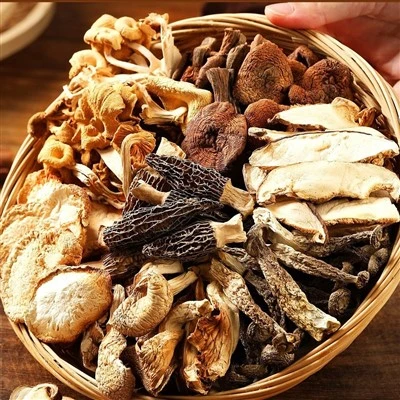
Speaking of, if you love this recipe and want high-quality dried boletes for it (or any other dish—risottos, pastas, sauces, you name it), hit me up. I source my boletes from sustainable farms that pick them wild in the Pacific Northwest, dry ‘em low and slow to keep that flavor, and never add any weird preservatives or fillers. Just pure, good mushroom. Shoot me a message to chat about bulk orders, custom bundles, or even ideas for how to use them in other meals— I love geeking out about mushrooms with other food people.
Happy cooking, and may your stew be as cozy as your couch.
Cordyceps & Wellness Mushrooms References
- European Food Safety Authority. (2021). Nutritional composition and potential health benefits of wild mushrooms, including boletes.
- Possingham, M. (2019). The Forager’s Pantry: Drying and Storing Wild Mushrooms for Year-Round Use. Chronicle Books.
- U.S. Dry Bean Council. (2022). Cooking guide for dried beans: Soaking, simmering, and recipe applications.
Qingyuan Manchu Autonomous County Lichang Native Produce Co., Ltd.
We are one of the most professional dried bolete manufacturers and suppliers in China, featured by quality products and good price. Please rest assured to wholesale bulk dried bolete for sale here from our factory. Welcome to view our website for more information.
Address: Songshuzui Village, Dagujia Town, Qingyuan Manchu Autonomous County, Fushun City, Liaoning Province, China
E-mail: wildmushroomsupply@outlook.com
WebSite: https://www.wildmushroomsupply.com/
