As a kids’ jackets and coats supplier who’s spent nearly a decade digging into what works for active little humans and the grown-ups who shop for them, I’ve seen firsthand how a well-chosen kids’ outerwear piece isn’t just fabric and stitches—it’s a shield for scraped knees, a welcome hideaway on breezing playground walks, and often the first “statement” piece kids pick out themselves, even if that means a neon puffer instead of my more neutral demo stock. Over years of working with daycares, elementary schools, and dozens of local and independent retailers, I’ve narrowed down the classic kids’ jacket and coat styles that never go out of demand, no matter the year’s viral color or trend. These aren’t the flashy one-hit wonders; they’re the styles that check every box: durable enough for a 7-year-old’s daily mud run, soft enough for early morning snuggles, and flexible enough to layer under or over sweaters as seasons shift. Let’s break down the ones that have stood the test of time, and why they still belong in every kids’ outerwear lineup. Kids’ Jackets and Coats
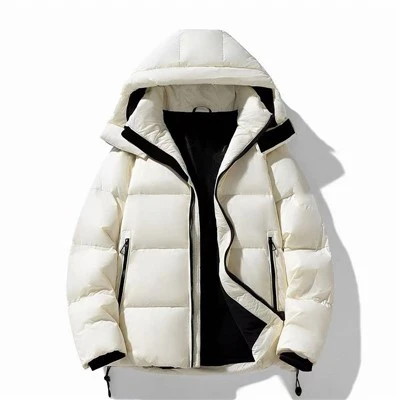
First up, the classic puffer jacket—this is the workhorse of kids’ outerwear, and I don’t just say that because we move thousands of them every fall and winter. What makes it a true classic is its perfect balance of warmth and lightweight flexibility, two non-negotiables for kids who’d rather climb trees than huddle inside. The best kids’ puffers aren’t bulky, so they don’t get in the way of backpack straps or playground tag matches. We’ve tested and re-stocked down alternatives for years, too, because grown-ups worry about two things: colds from damp fabric and being able to toss the jacket in the wash after a messy day at the park. Modern kids’ puffers also come in tailored fits now—not boxy, so they layer nicely over hoodies or flannel shirts without adding extra bulk. My top tip for parents? Look for ones with reinforced cuffs, a snug, adjustable hood (so it doesn’t slip over little faces when it’s snowing), and a water-repellent outer layer—spilled juice or sudden rainstorms don’t stand a chance. I’ve even had a long-time daycare director tell me she keeps a dozen extra small and medium puffers on hand for kids who forget theirs on cold days, and the durability of these styles means we’ve had very few come back for repair, even after a full school year of use.
Next, the denim jacket—this is the style that crosses every season, from early spring to mild fall, and even works as a lightweight layering piece under a coat on extra-cold winter days. What makes denim a classic is its rugged, lived-in look that gets better with every scratch and stain, which is perfect for kids who don’t see outerwear as something to be kept pristine. Unlike the puffer, it’s not designed for sub-zero temperatures, but for 50 to 65-degree days, when a thick sweatshirt might be too much and a thin windbreaker isn’t enough. We stock our kids’ denim jackets with sturdy metal buttons (no cheap plastic ones that break after a week of being pulled open and shut) and a soft, brushed inner lining for extra comfort, so it doesn’t feel like wearing a stiff piece of old jeans. I’ve seen kids who refuse to wear coats for cold weather beg for their denim jackets for a school presentation or a friend’s birthday, because they feel “cool” in them—there’s something about the timeless, casual vibe that translates across ages, from 4-year-olds just learning to dress themselves to 12-year-olds who want to avoid looking like a little kid’s coat. It’s also versatile enough to pair with a dress for a wedding or with shorts for a summer park trip, which is a huge win for families who want pieces that don’t only work for one occasion.
Third on the list is the parka, the heavyweight champion for harsh winter conditions, and a classic that’s been around for decades for good reason. Unlike the puffer, which is designed for moderate cold, the parka is built for when temperatures drop below freezing, with features that matter most for kids: a longer length that covers the waist and upper hips (no cold air seeping in from above pants), a fur-trimmed hood that’s both functional and cozy, and insulated lining that traps body heat without weighing kids down. We learned early on that kids hate heavy coats that make them feel like they’re moving through molasses, so our kids’ parkas use lightweight, high-loft insulation that’s warm but not bulky, and adjustable waist cinches so it fits snugly when needed but doesn’t restrict movement during snowball fights or sled runs. What makes it a classic is its practicality, not just its style—no frills, just solid fabric, sturdy zippers that are easy for little fingers to open and close (we use double zippers so kids can pull them up even when they’re wearing gloves), and reinforced elbows that stand up to rubbing against snow or playground equipment. I still remember a client who ordered 20 parkas for her son’s youth hockey team, and three years later, most of them were still in use, passed down to younger siblings or teammates. That’s the mark of a classic: it’s built to last through multiple kids, multiple seasons.
Another underrated classic that deserves more love is the quilted jacket—often confused with the puffer, but different enough to have its own spot. The quilting is tighter and more subtle than a puffer’s boxy stitching, so it’s slightly dressier, making it perfect for transitional weather when kids need a little more warmth than a denim jacket but don’t want to feel too “wintery.” We love quiltted jackets for school picture days, weekend trips to the zoo, or family visits, because they look polished without being formal, and they’re lightweight enough to tuck into a backpack if the day warms up. They also usually have a soft inner lining, often fleece or flannel, which makes them comfortable for early morning car rides when the air is cool but by midday, the sun is out. Unlike puffers or parkas, quilted jackets are less insulated, so they’re ideal for regions with milder winters, or as an extra layer in colder climates. I’ve had teachers tell me that quilted jackets are a go-to for field trips, because kids don’t overheat during walking breaks but stay warm during bus rides.
Then there’s the windbreaker, the unsung hero of rainy and windy spring and fall days. A lot of people think windbreakers are just thin, shiny pieces, but the classic kids’ windbreaker is designed to be lightweight, water-resistant, and packable—meaning you can fold it up into a tiny pouch and stick it in a backpack, so it’s always there when a sudden shower hits. We make our kids’ windbreakers with adjustable cuffs and hoods, so they block wind from seeping in, and a loose fit so they can layer over a hoodie or sweater if needed. They’re also much more affordable than puffers or parkas, which is a big plus for families who don’t want to spend a lot on a piece that only gets used a few times a season. I’ve had so many parents tell me that they keep an extra windbreaker in their car at all times, because you never know when the weather will take a turn for the worse. It’s not the warmest or the most durable coat, but it fills a gap that no other classic style does.
What I’ve learned over the years as a supplier is that these classic styles don’t dominate the market because they’re boring—they dominate because they solve real problems for kids and parents. They’re designed for actual kid life: being active, being messy, needing layers that work when the temperature shifts from 30 degrees at 8 a.m. to 50 degrees at noon. When we launch a new jacket, we don’t just look at trends or Instagram photos; we ask the people who use them every day: daycare workers, elementary school teachers, parents, and even the kids themselves (yes, we do focus groups with kids as young as 5, and their opinions matter—they hate stiff zippers, love pockets for their tiny toys, and will refuse a style that’s too “scratchy” or too hot).
A common mistake I see brands make is focusing too much on flashy, one-season styles that look good on a mannequin but don’t hold up to real life. For example, last year’s viral metallic puffer might sell well for a month, but by the end of winter, a lot of those come back with broken zippers, faded fabric, or fit issues because they were designed more for style than function. The classic styles? They’re the ones that parents come back to year after year, that get passed down through families, that are worn for two or three seasons before they’re too small, not because they fall apart, but because the kid outgrows them.
I also want to note that there’s no one “perfect” fit for every kid—some love a loose, baggy jacket for layering, some prefer a slim, tailored fit that doesn’t get in the way. The classic styles we stock come in a range of fits, from sizes 2T up to 16, so there’s something for every age and body type. We also prioritize sustainable fabrics whenever possible—recycled polyester for puffers, organic cotton for denim jackets, and water-repellent treatments that don’t use harmful chemicals—because parents care about what their kids’ clothes are made of, and kids deserve fabrics that are soft against their skin.
At the end of the day, the best kids’ jackets and coats aren’t about name brands or expensive price tags. They’re about pieces that work with a kid’s life, not against it. Whether it’s a puffer that keeps them warm during a snow day, a denim jacket that makes them feel cool, or a parka that stands up to their daily mud runs, these classic styles have proven time and again that they’re worth investing in.
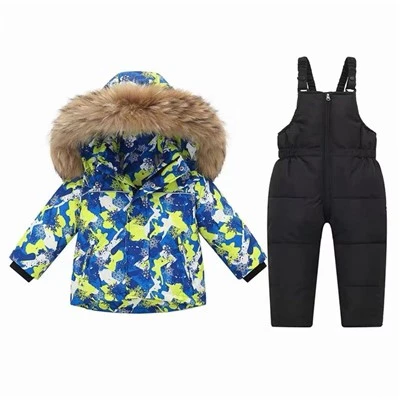
If you’re a retailer, daycare administrator, or bulk buyer looking for reliable, durable kids’ outerwear that checks all the boxes, we’re here to help. We carry a full range of these classic styles in a variety of sizes, colors, and fabrics, and we’re ready to work with you to build a lineup that meets your customers’ needs. Feel free to reach out to start a conversation about ordering, bulk pricing, or custom options for your store.
Men’s Wear References:
- American Academy of Pediatrics. (2022). Choosing Outerwear for Children: Safety, Durability, and Comfort Guidelines.
- Outdoor Industry Association. (2023). Kids’ Outerwear Trends and Consumer Preference Analysis.
- National Association of Elementary School Principals. (2021). Recommended Clothing for Active School Environments.
- Textile Institute. (2022). Sustainable Fabrics for Children’s Apparel: Performance and Safety Standards.
- Parenting Science. (2023). Child Development and Functional Clothing: Balancing Style and Practicality for Kids Aged 2–16.
Tengzhou Jufulong Garment Co., Ltd.
We are one of the most professional kids’ jackets and coats manufacturers and suppliers in China, also support customized service. With abundant experience, we warmly welcome you to wholesale high quality kids’ jackets and coats made in China here from our factory. Contact us for free sample.
Address: Zongzhuang Village, Jisuo Town, Tengzhou City, Zaozhuang City, Shandong Province (West of Jisuo Middle School)
E-mail: 17606320177@163.com
WebSite: https://www.jufulongwear.com/
