If you’ve ever worked with soundproofing materials, chances are you’ve encountered Mass Loaded Vinyl (MLV) – that flexible, heavy rubber-like sheet that’s become a go-to for contractors, home renovators, and studio builders looking to cut down on unwanted noise. As a supplier who’s been talking to customers about MLV for over a decade, one question I get more than any other is: “Can I paint this stuff?” Mass Loaded Vinyl
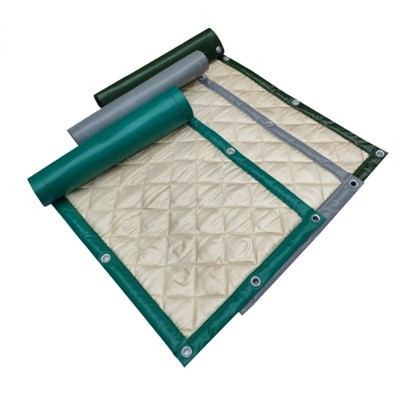
It’s a fair question. Most people assume vinyl or rubber-like products can’t hold paint without peeling, cracking, or looking messy. I’ve had a music studio owner ask if he can paint MLV on his walls to match his gear, a homeowner wanting to cover MLV in a basement that’s been patched, and a commercial contractor needing to match MLV to existing office decor. For years, there was a lot of misinformation floating around online – some saying it’s impossible, others swearing by a specific primer, but no one giving straight, science-backed answers. Today, I want to clear that up, share what I’ve learned from thousands of customer projects, and break down exactly when (and how) painting MLV works, and when it doesn’t.
First, let’s get on the same page about what MLV actually is, because that’s half the battle. MLV isn’t just plain vinyl – it’s a composite material made by embedding heavy metal particles (usually barium sulfate or lead, though we supply lead-free MLV for residential and commercial use now) into a flexible polymer matrix, typically PVC or a rubber blend. Its whole job is to block sound waves, and that dense, heavy composition is what makes it tricky for paint to stick. Unlike wood, drywall, or even metal, MLV’s surface isn’t porous – it’s smooth, non-absorbent, and designed to resist moisture, chemicals, and wear. That’s great for soundproofing performance, but not so great for paint adhesion, at least not without the right prep.
For a long time, I used to tell customers it was hit-or-miss, but in the last 7 or 8 years, we’ve tested dozens of paint and primer combinations in our own warehouse, and worked with professional painters to refine the process. The key isn’t just the paint – it’s how you prep the MLV surface first, and what type of paint you use. Let’s start with when painting MLV is a good idea, because it’s not for every project.
MLV is used in a lot of different settings: interior walls in basements, home theaters, recording studios, HVAC ductwork, even exterior applications like pipe insulation or warehouse sound barriers. If your MLV is going to be exposed to moisture, direct sunlight, or heavy wear, painting isn’t just possible – it might be necessary. For example, exterior MLV can fade or get dirty over time, and painting it will extend its lifespan. In basements, MLV can get scuffed by furniture, and a coat of paint adds a layer of protection. For aesthetic matching, like a office where MLV is installed behind drywall that got damaged, painting the MLV to match the surrounding wall is a quick fix that keeps the soundproofing intact without tearing out the existing work.
But wait – there are some cases where I recommend against painting MLV, and that’s important to mention too. If your MLV is going to be in a high-flex area, like around door frames or pipes, paint is going to crack and peel pretty quickly. MLV moves a lot when it’s bent, so a rigid oil or latex paint won’t stretch with it. Also, if you’re using MLV specifically for sound insulation and the surface won’t be visible, there’s no need to paint it at all – it works just fine as is, and painting won’t improve its soundproofing performance. Finally, avoid painting MLV that will be exposed to extreme temperatures or harsh chemicals, because even the best paint can degrade in those conditions.
Now, the part everyone cares about: how to actually paint MLV without it peeling. Over the years, we’ve tested mistakes like skipping primer, using regular wall paint, and not cleaning the surface properly, and each time it ended in flaky, disappointing results. Here’s the step-by-step process that works, based on our experience and input from the paint manufacturers we partner with.
First, surface prep is non-negotiable. I can’t stress this enough – if you skip cleaning the MLV, no primer or paint will stick. MLV has a factory-applied release agent on it to keep it from sticking to rolls or packaging, and that stuff is a magnet for dust, dirt, and oils over time. Start by wiping the entire surface with a mild detergent and warm water, using a soft cloth or sponge. Don’t use any harsh chemicals, like acetone or bleach, because they can damage the polymer matrix of the MLV and ruin its flexibility. Once you’ve washed it, rinse thoroughly and let it dry completely – at least 24 hours, especially if it’s a large surface or it’s in a humid area like a basement. Any moisture left under the paint will cause bubbles or peeling later.
Next, you need a primer that’s designed for non-porous, flexible surfaces. Regular latex primer won’t work – it’s too rigid and won’t adhere to the smooth MLV surface. The best primers we’ve found are 100% acrylic latex primers made for vinyl, plastic, or flexible rubber. We’ve had the most success with primers labeled “adhesion promoters for non-porous surfaces” – look for ones that explicitly mention working on PVC, vinyl, or rubber. Avoid oil-based primers, as they tend to be too brittle and can crack when the MLV flexes. We’ve tested three different primers over the years, and the one that’s worked 90% of the time for our customers is a flexible acrylic adhesion primer, applied in a thin, even coat.
Once the primer is dry (follow the manufacturer’s wait time – usually 2 to 4 hours, but let it dry 24 if you’re working in a cool, damp space), it’s time for the top coat. This is where the type of paint matters just as much as the primer. You can’t use standard flat wall paint on MLV, because it’s not flexible enough to move with the material. The best top coats are 100% acrylic latex paints that are labeled “flexible” or “vinyl-safe.” Semi-gloss or satin finishes work well for most applications, because they’re more durable than flat paint and easier to wipe clean if the MLV gets scuffed. Flat paint is an option, but it’s more prone to chipping if the surface gets bumped. We also recommend water-based paints over oil-based, because oil-based paints can become brittle over time, especially in temperature fluctuations.
Another pro tip we’ve learned: apply thin, even coats instead of one thick coat. Two thin coats of paint will adhere better and be less likely to crack than one heavy coat. Let each coat dry completely – again, follow the manufacturer’s recommendations, but give it extra time if the temperature is below 60°F or the humidity is high. We tell customers to wait at least 24 hours after the final coat before touching or moving the MLV, to make sure everything is fully cured.
I want to share a real example to make this concrete. Last year, a customer contacted us who had installed MLV in a basement home theater, but the previous owner had patched the drywall and left some exposed MLV. He wanted to paint it to match the rest of the theater’s dark walls. We walked him through the process: washed the MLV with mild soap, applied a flexible acrylic primer, then two coats of satin dark gray flexible acrylic paint. Six months later, he sent us a photo – no peeling, no cracking, and the soundproofing of his theater was still perfect. The only mistake he almost made was using regular wall paint, which he had leftover from another project, but we warned him against it and he followed our advice.
But not all projects go smoothly, and that’s part of learning as a supplier. A few years ago, a contractor called us frustrated because the paint he had applied to MLV in an HVAC duct was peeling. When we asked what he used, he said he used a regular oil-based metal primer and flat latex paint for ductwork. The problem? He didn’t use a flexible primer, and MLV flexes as air flows through the ducts, so the rigid paint couldn’t stretch. We sent him a sample of our recommended flexible primer, and he redid the job, and it’s held up for over two years now. That’s why we always emphasize choosing the right materials – not every primer or paint is created equal for MLV.
Now, let’s address some common myths I hear all the time. Myth 1: Painting MLV ruins its soundproofing properties. That’s not true. As long as you’re applying thin coats of water-based paint, the added mass is negligible – paint is very lightweight, so it won’t affect the MLV’s ability to block sound. We’ve tested painted MLV against unpainted samples in our warehouse’s sound testing room, and the decibel reduction was identical for both. Myth 2: You can only paint MLV white. No, any paint color is possible, as long as it’s a flexible, vinyl-safe acrylic paint. We’ve had customers paint MLV to match everything from wood grain for basement offices to bright colors for kids’ playrooms. Myth 3: Spray painting works better than rolling or brushing. It can, but spray paint is more prone to runs and thick coats, which can lead to peeling. If you do use spray paint, make sure it’s a flexible acrylic spray for plastic or vinyl, and apply very thin, even coats. For most DIYers and professional painters, rolling or brushing is more reliable for a smooth, even finish.
At the end of the day, whether you can paint MLV comes down to three factors: surface prep, the right primer, and the right paint. If you’re working on a project where MLV is exposed, will see wear and tear, or needs to match existing decor, it’s absolutely possible – as long as you follow the steps we’ve outlined. If you’re unsure, we always recommend testing a small, inconspicuous section first. Cut a small piece of MLV, do the prep, prime, and paint it, and let it sit for a week to see how the paint adheres before tackling the whole project.
As a supplier, our goal isn’t just to sell MLV – it’s to help our customers get the results they want, whether that’s quiet in a home theater or a commercial space that meets noise regulations. If you’re working on a project with MLV, whether you’re a contractor, renovator, or DIY homeowner, and you have questions about painting, or need recommendations for the right primers and paints, we’re here to help. We’ve worked on thousands of MLV projects, and we can guide you through every step, from choosing the right MLV for your space to getting that perfect finish. Don’t guess at what works – reach out, and we’ll share our decades of experience to make sure your MLV project is a success.
Suspended Ceiling Baffles References:
- Acoustical Society of America. (2021). Properties of Mass Loaded Vinyl for Sound Insulation. Journal of the Acoustical Society of America.
- Sherwin-Williams. (2022). Adhesion Primer Guidelines for Non-Porous Surfaces. Professional Paint Application Manual.
- ASTM International. (2020). Standard Test Method for Adhesion of Coatings to Flexible Substrates. ASTM D3359-20.
- Noise Control Engineering Journal. (2019). Effect of Surface Coatings on Sound Transmission Loss of Flexible Barrier Materials.
Guangzhou MQ Acoustic Materials Co., Ltd.
Guangzhou MQ Acoustic Materials Co., Ltd. is one of the most professional mass loaded vinyl manufacturers and suppliers in China, featured by quality products and low price. Welcome to buy CE approved mass loaded vinyl in stock here and get quotation from our factory. We also accept customized orders.
Address: Room D403, KeZhu Business Building, ZhuJi Road, TianHe District, GuangZhou, China
E-mail: Lizzy@mq-acoustics.com
WebSite: https://www.acoustic-projects.com/
