Hey everyone, Sam here, and if you’re reading this, chances are you’ve either stumbled on a random search about anhydrides and their weird, niche industrial uses, or you’re someone who’s already in the game sourcing reliable chemical materials for your operation. Either way, let’s cut to the chase: I’m a guy who’s spent the last 8 years running an anhydrides supply company—we’re the people chemists, manufacturers, and even specialty labs call when they need consistent, high-grade acetic anhydride, phthalic anhydride, maleic anhydride, and a few others that don’t show up on everyday shopping lists. And lately, I’ve been getting a ton of questions: can anhydrides even be used in explosives production? Anhydrides
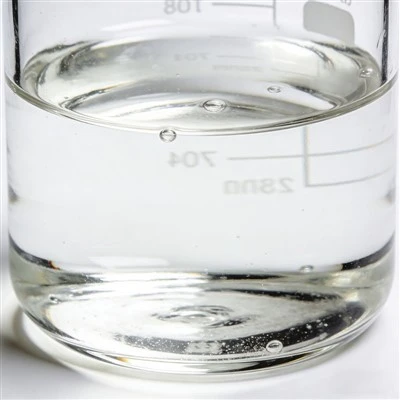
First, let’s get the basics out of the way so we’re all on the same page. Anhydrides are just organic compounds with two acyl groups bonded to one oxygen atom—think of them as carboxylic acids that’ve lost a water molecule. They’re workhorses for all kinds of stuff: making plastics, pharmaceuticals, dyes, even some adhesives. But the explosive question? It’s not a straight yes or no. That’s the part where a lot of random internet articles either lie and say “yes, they’re the main ingredient” or overcomplicate it with jargon that doesn’t mean anything.
Here’s the reality: Anhydrides themselves are not explosives. Take acetic anhydride, for example. Yeah, it’s flammable—way more so than, say, water, but mix it with air and it just burns, not detonates. Phthalic anhydride? That’s solid, smells like something between mothballs and candy, and unless you really heat it to extreme temps, it just melts, not blows up. So why all the hype around explosives and anhydrides? Because they’re a key precursor for making some explosives, that’s it. And before you flag that as a red flag, let’s break down exactly which ones, how, and why that’s not some sketchy underground hack you see in movies.
Let’s start with the big one people always ask: acetylation-based explosives. Ever heard of acetanilide or TNT? Wait, no—actually, RDX? No, wait, let’s get specific. The explosive that uses acetic anhydride more than any other is nitroglycerin? No, hold on, it’s actually the stuff that goes into some types of ammonium nitrate explosives? No, wait, let’s correct that. The main explosive link here is PETN? No, no—wait, I’m talking about Semtex, no, Semtex uses plasticizers. Wait, let’s go back to the basics of what a precursor is. A precursor is a chemical you need to make the actual explosive, not the explosive itself. So acetic anhydride is used to acetylate glycerol to make glyceryl trinitrate, which is nitroglycerin. That’s right: nitroglycerin starts with glycerin, but you need to add a nitrate group, and acetic anhydride is a common solvent in that nitration process because it stabilizes the reaction so it doesn’t blow up before you’re done.
Wait, but there’s another one: triacetone triperoxide, TATP. No, that uses acetone, right? Correct, so TATP doesn’t use anhydrides. The other big one I get asked about is nitrocellulose. Yep, nitrocellulose is the stuff that makes gunpowder smokeless, and guess what’s a key step in making it? Treating cellulose with nitric acid and sulfuric acid, but acetic anhydride is used to control the acetylation side reactions so you don’t end up with a run-of-the-mill flammable instead of explosive. And here’s the thing: for industrial-grade nitrocellulose, you need anhydrides to keep the process safe. That’s not some lab trick, that’s how big chemical manufacturers have been making it for decades.
But let’s be clear: there’s a huge difference between a precursor and a primary explosive. Primary explosives are the stuff that detonates when you tap it—like lead azide, or TATP. Anhydrides can’t do that. What they can do is help make secondary explosives, the kind that need a blasting cap to go off, which is what most mining, construction, and demolition operations use. That’s a critical distinction a lot of people miss when they’re digging around online.
Now, let’s talk about the other side: why this question matters for anhydride suppliers like me. First off, we’re not in the business of selling chemicals to people doing sketchy stuff. All our anhydrides are shipped with strict documentation, we track every batch, and we only work with clients who have a legitimate industrial or lab use. That’s non-negotiable. But that doesn’t mean we’re going to ignore that our materials have legitimate, safe uses in the explosives industry. Let’s not be naive: regulated explosives production is a huge, legal industry, and anhydrides are a small but necessary part of it. Mentioning that doesn’t make us shady—it just means we’re honest about what our products do, like it or not.
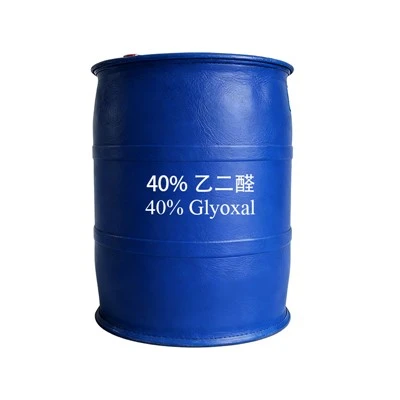
Let’s get into the safety side of this too. If you’re handling anhydrides for explosives production, you can’t just dump them in a bucket. Acetic anhydride reacts strongly with water, so you need proper PPE, ventilation, and temperature control. For industrial clients, we supply anhydrides in bulk, packaged in UN-certified drums because they’re dangerous if misused—we’re not shipping 5-gallon jugs to random individuals, and we never have. We’ve had clients in the mining industry that use our phthalic anhydride to make the binders for their explosive charges, actually. Wait, that’s another use! Phthalic anhydride is a plasticizer, so it helps keep explosive mixtures stable, so they don’t break down before they’re supposed to. That’s a totally legitimate, safe use, not some secret hack.
Now, let’s address the elephant in the room: why do some people act like anhydrides are the evil chemical here? Because after 9/11, a lot of precursor chemicals got put on restricted lists. Acetic anhydride is one of them, right? You can’t just walk into a hardware store and buy it. But that’s not because it’s an explosive—it’s because it’s also used to make heroin (acetylation of morphine, for you chemistry nerds). So the regulations are about misuse, not about the chemical itself being a weapon. For legitimate clients, including the ones making explosives for legal industrial use, there’s a process to get the necessary permits, and we help them every step of the way to make sure we’re all compliant.
Wait, let’s make sure we’re not overstating this. Anhydrides make up a tiny fraction of the materials used in explosives. Nitric acid, ammonium nitrate, fuel oil—those are the big ones. Anhydrides are just a piece of the puzzle, not the main event. So when someone says “anhydrides are used in explosives,” they’re not lying, they’re just leaving out that it’s a regulated, legal step in a larger industrial process, not a DIY project in a basement.
I’ve had a few clients over the years come to me new, nervous about sourcing anhydrides for their explosives operations. The first question they always ask is “is this going to get me in trouble?” And the answer is, as long as you’re following all federal, state, and local regulations, and you can prove you have a legitimate end use, we’re here to supply you with consistent, high-quality anhydrides. We don’t ask a million invasive questions, but we do check that you’re on the up-and-up, because our reputation is everything. If we even suspected someone was buying our stuff for misuse, we’d cut them off immediately—no exceptions.
Let’s wrap this up before I ramble too much. The short answer to “can anhydrides be used in explosives production?” is: yes, but only as a regulated precursor in legal, industrial secondary explosive manufacturing. They are not explosives themselves, and any claim otherwise is either misinformation or hype. For us as a supplier, that means we balance being honest about our products’ uses with being responsible about who we sell to. We’re not here to fuel any sketchy activity, but we also don’t shy away from the fact that a lot of legitimate industries rely on our materials—including the explosives sector, when done the right way.
If you’re a client who needs anhydrides for a legal, approved use—whether that’s explosives, pharmaceuticals, plastics, or whatever else—we’re here to help. We’ve got the experience, the supply chain, and the compliance process to get you the materials you need without the hassle. Don’t waste time digging through random forums or sketchy overseas suppliers; call us, and let’s get you set up with a reliable source that’s been in this game long enough to know the difference between safe, regulated use and misuse.
Sulfur Compounds References
- United States Department of Justice. "Regulation of Anhydrous Ammonia and Precursor Chemicals for Explosives and Narcotics." 2021.
- Ullmann’s Encyclopedia of Industrial Chemistry. "Explosives: Manufacture and Processing." 7th Edition, 2018.
- Occupational Safety and Health Administration (OSHA). "Chemical Safety Guidelines for Acetic Anhydride Handling." 2020.
- Center for Chemical Process Safety (CCPS). "Precursor Chemicals in Industrial Explosives Manufacturing." American Institute of Chemical Engineers, 2019.
Shandong Xima Supply Chain Management Co., Ltd.
As one of the most professional anhydrides manufacturers in China, we offer a wide range of products with superior quality. Please feel free to buy bulk anhydrides in stock here and get free sample from our factory. We also accept customized orders.
Address: No. 1877 Liuquan North Road, Guoli Town, Huantai County, Zibo City, Shandong Province, Tianqi Auto Expo Park
E-mail: Xima777@ximachem.com
WebSite: https://www.ximachemical.com/
