When I first started in the Alcohols & Polyols supply game, I’ll admit I was mostly focused on getting the product right, meeting deadlines, and making sure my clients had what they needed for their formulations. A few years in, though, I started getting questions that threw me a little: not about purity levels or delivery times, but about something way more personal—like how the alcohol we supply affects the human body, especially the cardiovascular system. It took me a while to dig into the science here, because I realized most folks don’t talk about this stuff clearly, mixing up “moderate drinking is okay” takes with all the messy, proven facts. If you’re here because you’re curious, or because you’re in the same boat I was a few years back, let’s break this down like real people, no stuffy jargon, no clickbait—just what the research actually says. Alcohols & Polyols
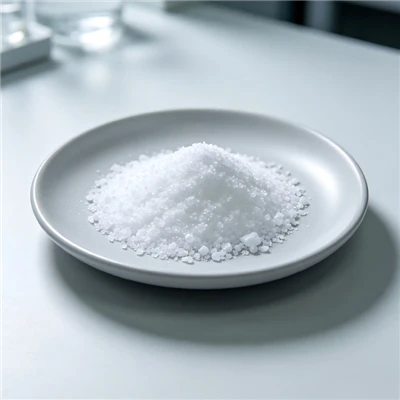
First off, let’s get one thing straight: “alcohol” here doesn’t just refer to the stuff you drink at a bar. For my work, I supply aliphatic alcohols and polyols—compounds with multiple alcohol groups, used in everything from pharmaceuticals to food additives, and yeah, sometimes in alcoholic beverages too. But the cardiovascular effects? Those tie directly to ethanol, the type of alcohol that gets you buzzed or drunk. That’s the key distinction a lot of casual conversations skip over, and it matters a ton because it changes how we think about the impact.
I started digging into the basics after a client told me they’d noticed a small uptick in customer questions about heart health and their products that use polyols. One of the first studies I looked at was a big one out of the Journal of the American College of Cardiology, the kind that follows thousands of people over decades—not just a small group for a few weeks. They found that moderate ethanol consumption (that’s 1 standard drink a day for women, 2 for men, if you’re keeping track) had a weirdly split effect. On one side, it seemed to bump up “good” cholesterol—HDL, the one that clears plaque out of your arteries. It also made blood vessels a little more flexible, which helps with blood flow. On the other side, even that moderate amount can raise blood pressure for some people, especially if they’re already sensitive to sodium or have a family history of hypertension.
Wait, but here’s the part that got me really thinking: a lot of folks assume that because moderate drinking has a tiny “good” side, it’s a free pass. But the research doesn’t hold up for long-term use. I talked to a cardiologist buddy of mine (not the type who does fancy procedures, the one who does research) and he told me that the JACC study’s authors actually warned that the potential benefits are way smaller than the risks. For every person who gets a tiny HDL boost from one drink a day, another person might end up with elevated blood pressure that leads to heart attacks or stroke. That’s the balance no one wants to mention—you can’t just look at one positive side without the negatives.
Let’s get into the darker stuff, because that’s where the line gets blurry for people who might not realize how much alcohol adds up. Heavy drinking—anything more than 3 drinks a day for men, 2 for women, or binge drinking (4+ in one sitting for women, 5+ for men)—has super clear, bad effects on the heart. I read a 2022 study from the World Heart Federation that linked heavy ethanol use to a huge spike in atrial fibrillation, that irregular heartbeat that makes you way more likely to have a stroke. It also damages the heart muscle itself, something called alcoholic cardiomyopathy. That’s when the heart stretches and weakens, so it can’t pump blood right. The doc told me that’s not reversible, even if you stop drinking later—permanent damage. That hit home because I’ve had regular conversations with small manufacturers who use small amounts of ethanol in their products, and I started realizing how important it is to separate industrial alcohol (which we supply, for things like hand sanitizer, binders, flavorings) from the ethanol people drink. The industrial stuff isn’t meant for consumption, obviously, so the health effects here don’t apply to that—another key point I had to clarify for my team a while back.
What about polyols, since that’s a big part of what we supply? A lot of people mix up polyols with the alcohol you drink, but they’re totally different compounds. Polyols are sugar alcohols—things like glycerol, sorbitol, xylitol—used in sugar-free gum, baked goods, even some pharmaceutical fillers. Do they affect the cardiovascular system? I dug into that too, because my clients were asking. A 2021 review in Nutrients looked at polyol intake, and found that for most people, moderate amounts (the kind you get from food or small industrial uses) don’t have any direct impact on heart health. There’s a tiny side note: some people get bloating or digestive issues from too many polyols, which can make you feel crummy, but that’s not a cardiovascular effect. The only time polyols tie to something heart-related is if you’re eating massive amounts—like several ounces a day, which is way more than anyone would get from our industrial-grade supplies or regular food. Even then, there’s no proven link to high blood pressure or heart disease. That was a huge relief for my team, because it meant we could reassure our clients that the polyols we supply don’t carry the same cardiovascular risks as ethanol.
I also had to sift through the noise online, because there’s a lot of misinformation. Some sites say “red wine is good for your heart,” and there’s a tiny kernel of truth there—red wine has antioxidants like resveratrol, which might help with blood flow. But here’s the catch: you’d have to drink like 10 glasses of red wine a day to get enough resveratrol to make a difference, and that’s way too much alcohol to avoid all the other risks. No one’s heart is going to benefit from that, only their liver, and that’s a whole other set of problems. I saw a meme last year that said “a drink a day keeps the doctor away” and rolled my eyes—because the research actually says if you’re a non-drinker, there’s no reason to start drinking just for your heart. The risks of starting alcohol (like addiction, liver damage, accident risk) almost always outweigh the tiny, unproven benefits to HDL or blood vessels.
For folks in the industrial or commercial space, like me, there’s another angle: how does alcohol use affect our industry’s work? I’ve noticed that a small number of workers in factories that process alcohol (both the kind you drink and industrial ethanol) have higher rates of substance use issues, which can lead to mistakes, safety risks, and long-term health problems. It’s not our place to lecture, but it’s important to encourage our team and our clients to prioritize safety and health—whether that’s using industrial alcohol correctly, monitoring employee wellness, or educating folks who might accidentally mix up industrial and consumable products. A friend of mine who runs a beverage lab told me they had a scare a few years back where a worker mixed industrial ethanol (from a supplier they’d used because it was cheap) into a test batch, thinking it was consumable. That’s a nightmare we all have to avoid, which is why labeling, education, and working with a reliable supplier matters so much.
Let’s talk about long-term vs. short-term effects, because that’s another big one. A single night of heavy drinking—like a weekend binge—can mess with your heart right away. Your blood pressure spikes, your heart beats faster and irregularly, and your blood has more clotting factors, which makes a heart attack or stroke more likely, even for young, otherwise healthy people. I read a study in Circulation that followed 20-somethings who binge drink once a month, and found their blood vessel function was already worse than non-drinkers by age 30. That’s not something that takes 50 years to show up—it can start early, which is scary.
On the flip side, if someone stops drinking, a lot of these effects reverse. After just a few weeks of cutting back, blood pressure can drop, HDL levels go back to normal, and their risk of atrial fibrillation starts to fall. That’s the hopeful part for people who do drink more than they should—change is possible, and it doesn’t have to be all or nothing. I’ve had a few clients who supply flavorings use a tiny amount of ethanol, and they asked if they could switch to a non-alcoholic alternative, which we can source for them. It’s a collaborative process, not just “we sell what we sell”—it’s about working with folks to find solutions that fit their needs without the risks.
Now, let’s circle back to what this means for me and my role as an Alcohols & Polyols supplier. I don’t want to overstate risks or understate them—what we supply is for industrial, not personal, use, so the cardiovascular effects I’ve been talking about are tied to consumable ethanol, not the industrial alcohols or polyols we provide. But I do think it’s important to be transparent. If a client asks about how our products interact with health, I can tell them the difference between the consumable alcohol and our industrial grades, and clarify that polyols don’t carry the same heart-related risks. I also make sure to pass along any credible research I find, because knowledge is better than assumptions.
I’ve learned over the years that there’s no one-size-fits-all answer to this. It’s not “alcohol is good” or “alcohol is evil”—it’s about understanding the type, the amount, and the context. Moderate consumable use has tiny, debated benefits for a small subset of people, but heavy use causes clear, permanent damage. Polyols, the core of our supply, are a different story, with no major cardiovascular risks when used as intended.
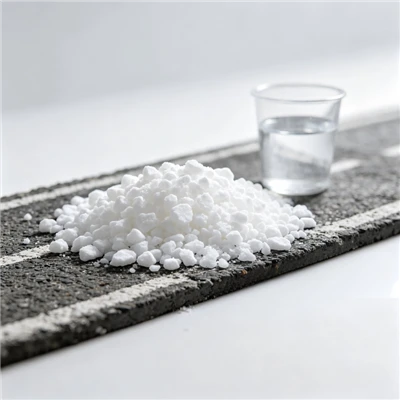
If you’re in the market for reliable Alcohols & Polyols, whether for pharmaceutical formulations, food additives, industrial cleaners, or anything else, we can help. We’re focused on quality, consistency, and working with you to find the right products that meet your needs. Whether you have questions about specific formulations, purity standards, or even how our materials align with your industry’s health and safety guidelines, feel free to reach out to start a conversation.
Food & Cosmetic Additives References
- Journal of the American College of Cardiology. (2018). Alcohol consumption and cardiovascular disease: JACC state-of-the-art review.
- World Heart Federation. (2022). Global Report on Alcohol and Cardiovascular Diseases.
- Nutrients. (2021). Sugar alcohol (polyol) intake and cardiometabolic health: a systematic review and meta-analysis.
- Circulation. (2020). Binge drinking and early vascular dysfunction in young adults.
Shanghai Dingwujin Chemical Co., Ltd.
Shanghai Dingwujin Chemical Co., Ltd. is one of the most professional alcohols & polyols suppliers in China. We cooperate with qualified Chinese manufacturers and provide high quality customized service. With over a decade of experience in local chemical trade, we have long been deeply engaged in the markets of EU Central & Eastern Europe, the Western Balkans, Ukraine and Moldova. Welcome to buy bulk high quality alcohols & polyols made in China here from our company.
Address: No. 12, Lane 199, Yefan Road, Yexie Town, Songjiang District, Shanghai, P.R.China
E-mail: dwjchem@dwjchem.com
WebSite: https://www.7dchem.com/
