If you’ve ever stood next to a chain type wood chipper mid-job, watching it chew through branches and logs like they’re nothing more than soggy cardboard, you might’ve wondered what makes some machines chug along consistently for 10 hours straight while others sputter, clog, or break down before lunch. Over the past seven years, I’ve spent most of my days talking to landscapers, firewood producers, and municipal forestry crews—people who put these chippers through literal hell—and one question comes up again and again: why does that thing I do, adjusting the chain tension, make such a massive difference in how well the whole machine works? Chain Type Wood Chipper
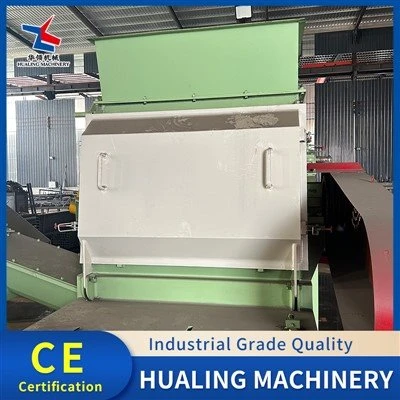
Before we get to the “how,” let’s take a quick step back so we’re all on the same page. A chain type wood chipper isn’t just a big blade spinning to cut wood. The “chipper teeth” aren’t part of a single solid blade like on a kitchen slicer; they’re individual links mounted to a continuous, looped chain that rides inside the chipper’s housing, sliding against a heavy flywheel. That chain doesn’t just hang loose, though. It needs tension—enough to keep those teeth pressing firmly into the wood as it feeds, but not so tight that it strains every part of the machine. I’ve seen new operators crank that tension adjustment knob as tight as it can go on their first day, convinced “tighter is better,” and then spend the next three hours replacing broken sprockets or burned-out motors. I’ve also seen crews run their chains so loose that half the teeth slip off the flywheel during a mid-shift log feed, leaving piles of unchipped wood and a crowd of very frustrated people.
Let’s start with the most obvious performance metric: chipping consistency. This is the big one for most of our customers, because if you’re producing firewood, you need uniform chips to sell to pulp mills or wood pellet producers, and if you’re a landscaper, uneven chips mean you’re spending extra time raking or hauling away oversized chunks. When chain tension is too low, the individual teeth skip or slide across the wood instead of cutting it clean. I remember a landscaper from Ohio named Jake who came to me last year with this exact problem. He was running a entry-level chipper on his crew, chipping oak logs, and his chip pile was a mess—some pieces were small enough for pellet fuel, others were the size of his fist. He thought his feed roller was broken, but when we checked his chain, it hung almost two inches below the housing when we lifted it. The chain was flexing so much as each tooth hit the log that it lost momentum before it could bite down, so some teeth only scraped the surface while others got full force. We adjusted his tension to the manufacturer’s recommended spec, which ended up being about 3/4 of an inch of play when you lift the chain midway between the two sprockets, and by the end of the week he sent me a photo of a perfectly uniform chip pile. “I thought I needed a new chipper,” he said. “Turns out I just needed to stop being scared of putting a little slack in that chain.”
Now, what happens when tension is too high? It might seem like a good idea at first—tighter teeth = deeper cuts, right? But that extra tension puts unnecessary stress on every component in the chipper, and that stress translates directly to downtime and repair costs. The chipper’s sprockets, those big toothed wheels that the chain wraps around, take the brunt of this pressure. A chain under too much tension pulls harder on the sprocket teeth, causing them to wear down 2-3 times faster than a properly tensioned chain. I’ve had customers bring in sprockets that looked like they’d been chewed by a dog because they ran their chains too tight—one operator in Pennsylvania told me he replaced three sprockets in a single season, which is unheard of when you’re following tension guidelines. The motor and flywheel also take a beating. A tight chain creates more friction between the chain links and the flywheel, so the motor has to work harder to turn it, burning up extra fuel (or draining battery, if you run a diesel-powered model) and increasing the risk of overheating. I once had a customer who ran his chipper at 100% tension for a whole month, and the motor’s cooling fins were so covered in heat-related grime that the chipper kept shutting down mid-job. We adjusted his tension, and he didn’t have an overheating issue again for the rest of the season.
But here’s something a lot of new operators don’t realize: chain tension doesn’t just affect cutting and part wear—it also impacts operator safety. Let’s be honest, wood chippers are dangerous machines no matter what, but a loose or over-tight chain adds unnecessary risk. A chain that’s too loose can jump off the sprocket while it’s spinning, flying through the air at high speed. I’ve seen video of this (and trust me, it’s not something you want to witness): a chain link snaps free, hits the chipper’s housing, and bounces back right towards the operator’s feed chute. It’s rare for it to cause serious injury, but I’ve heard stories of it cutting gloves or scraping arms. On the flip side, an over-tight chain has more resistance, which means the feed roller has to push harder to get wood into the chipper. If a log gets stuck, the extra strain on the feed motor can cause it to stall suddenly, and if the operator yanks the log out too quickly, that can lead to kickback—one of the most common causes of chipper injuries. I always tell my customers: safety isn’t just about guards and training; it’s about the small, daily adjustments you make to your machine before you start the job.
Now, how do you actually get the tension right? It’s not a guess, and it’s not just cranking it until it feels “secure.” We recommend that all our customers follow two basic checks before every job, or at least once a day if they’re running the chipper for more than four hours. First, measure the deflection: on most chain type wood chippers, you should have between 1/2 and 1 inch of play when you lift the chain midway between the two sprockets. That range is for most standard jobs—if you’re chipping very small, thin branches, you can lean a little towards 1/2 inch to get cleaner cuts, and if you’re working with large, dense logs, a little more slack (up to 1 inch) will reduce stress on the parts. The second check is visual: before you start the chipper, spin the flywheel by hand a few times and make sure the chain rides evenly in the housing, with no tight spots or sagging in one area. If one section of the chain is looser than the rest, that’s a sign you need to adjust individual tension bolts, not just the main adjustment knob.
I’ve worked with operators who swear by the “eyeball test,” and to be fair, after a few years of working with these machines, it’s hard to beat experience. But I always encourage new crews to follow the manufacturer’s specs first, then tweak as needed based on the wood they’re chipping. For example, if you’re chipping wet, soft hardwood, you might need a little less tension than you would for dry, dense pine, because soft wood doesn’t require as much force to cut. We’ve also seen that cold weather affects chain tension—metal contracts when it’s cold, so on days where it’s below freezing, you might want to add an extra 1/4 inch of deflection to account for that contraction. That’s a small detail, but it’s one that prevents a lot of broken chains in winter.
Let me share another example, this one about a municipal forestry crew in Minnesota. They were running their chipper all winter clearing fallen trees after ice storms, and they were going through chains every three months, which was way more than the recommended six months. When we checked their tension, they had it set to the maximum spec because they thought ice on the housing was making it harder for the chain to move. Turns out, the ice was a distraction—their actual issue was that they were running the chain too tight, and the cold weather was making the metal brittle, so the links would snap under the extra stress. We adjusted their tension down by 1/4 inch, and their chain life went from three months to almost seven months, saving them thousands of dollars in replacement parts and downtime. That’s the thing about chain tension: it’s not just a “set it and forget it” adjustment. It’s a small, dynamic part of operating your chipper that changes based on the job, the weather, and even the type of wood you’re working with.
I also want to address a common myth I hear all the time: once you tension the chain when the chipper is cold, you don’t need to adjust it for the whole day. That’s not true. As the chipper runs, the chain heats up and expands, so the tension changes mid-job. I had a customer who didn’t believe me at first—he said he adjusted his chain at 7 a.m., ran the chipper all day, and it worked fine. But when we checked his tension at 3 p.m., it had expanded so much that the deflection was only 1/4 inch, way too tight. By the end of the day, his motor was running 20 degrees hotter than normal, and he almost burned out the bearing on the flywheel. That’s why we recommend checking tension every few hours, especially if you’re running dense wood or working in hot weather. It takes five minutes, and it saves you from hours of downtime later.
If you’re a new operator just getting started with a chain type wood chipper, this might all feel overwhelming. I remember when I first started working with these machines, I thought the only important settings were engine speed and feed rate. But after talking to hundreds of customers, I’ve learned that chain tension is the single most impactful adjustment you can make for performance, cost, and safety. It’s not a complex engineering problem, but it’s one that a lot of people overlook, and that oversight leads to all sorts of avoidable issues.
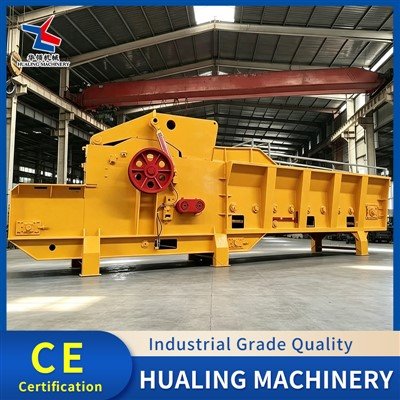
At the end of the day, the goal of any wood chipper is to get the job done well, on time, and without breaking the bank on repairs or replacement parts. Getting your chain tension right is one of the simplest, most effective ways to hit that goal. If you’re struggling with inconsistent chips, frequent breakdowns, or just not getting the performance you expected from your chipper, chances are the first place you should look is that chain adjustment knob.
Wood Hammer Mill We work with crews of all sizes, from small landscaping businesses to large municipal forestry departments, helping them dial in their chipper settings to fit their specific needs. If you’re in the market for a new chain type wood chipper, or you’re looking to improve the performance of your current machine, we’re here to help. We can walk you through tension checks, share tips based on the wood you chip, and help you find the right machine for your workload. Don’t let avoidable issues slow you down—reach out to us to discuss your chipper needs and find a solution that works for your team.
References
- American Society of Agricultural and Biological Engineers. (2020). Performance Standards for Wood Chippers. ASABE S353.6.
- Forest Products Laboratory. (2019). Maintenance and Safety Guidelines for Portable Wood Chippers. USDA Forest Service.
- Machinery Lubrication Magazine. (2021). Understanding Chain Tension and Its Impact on Industrial Equipment Lifespan.
- Occupational Safety and Health Administration. (2022). Powered Wood Chipper Safety Guidelines. OSHA 3575-19.
Shandong Hualing Machine Manufacturing Co., Ltd.
As one of the most professional chain type wood chipper manufacturers and suppliers in China, we also support customized service with low price. Please rest assured to buy discount chain type wood chipper in stock here from our factory. If you have any enquiry about quotation, please feel free to email us.
Address: Industrial Park, Dagong Village, Changshan Town, Zouping City, Shandong Province
E-mail: hualing@sdhualing.com
WebSite: https://www.hualingmachine.com/
